Textile Quilt Pattern Review for Boutique Sweatshirts
When I first opened the Textile Quilt Pattern embroidery file, I felt a real sense of anticipation. As someone who has digitized and stitched hundreds of machine embroidery designs for small clothing brands, I know that a quilt-inspired motif can go either way — it can feel cozy and timeless or heavy and dated. This one, I am happy to report, leans firmly into the former. The Textile Quilt Pattern carries a rustic elegance that feels both handmade and intentional. It is not trying to be perfectly symmetrical, and that is exactly what makes it work for a limited boutique sweatshirt drop.
A Design That Feels Stitched, Not Printed
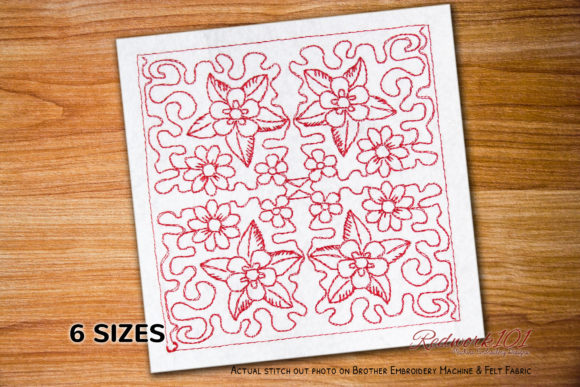
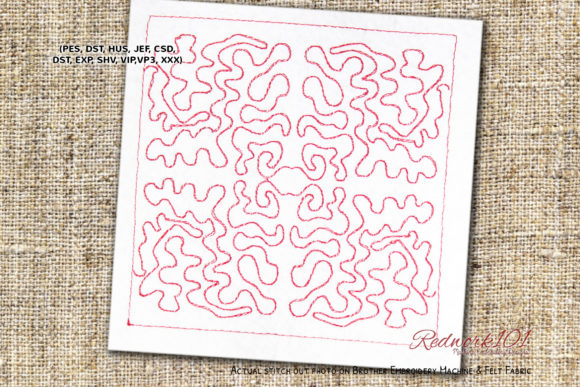
The first thing I noticed was the layout. The Textile Quilt Pattern has a structure that mimics traditional quilt blocks, with a central motif and an outer box that frames the whole composition. The product description notes that the Box Stitch shown in the picture is optional, and that the color of the outer box is often a different color unless it is part of the design itself. That is a crucial detail for anyone planning a hoodie design. It means you have freedom to separate the frame from the fill, giving you a two-tone effect that can elevate a simple sweatshirt into something that looks like a custom apparel piece from a proper boutique brand.
The mood of the Textile Quilt Pattern is decorative without being fussy. It sits somewhere between rustic and playful, with a touch of feminine structure. On a neutral sweatshirt — think soft cream, heather oatmeal, or light gray — the design reads as cozy and premium. On dark fabric, the contrast becomes bold and the quilt-like geometry pops. Pastel backgrounds, like dusty rose or sage green, bring out the handcrafted quality and make the pattern feel more delicate. The Textile Quilt Pattern is versatile enough to suit both an oversized hoodie for a casual weekend drop and a fitted crewneck for a more refined handmade product lineup.
How Textile Quilt Pattern Performs on Sweatshirt Fabric
Let me speak directly to the practical concerns that matter when you are running a small shop product or a limited batch for Etsy. Stitch density is the first thing I check when I open an embroidery file, and the Textile Quilt Pattern handles it well. The design does not appear to rely on dense, overlapping satin stitches that could cause puckering on mid-weight fleece or French terry. Instead, it uses a combination of outline and fill work that feels balanced. For a sweatshirt embroidery project, that is a relief. You want a design that will lay flat on the fabric without distorting the weave.
I also looked at the thread color requirements. The description mentions that the outer box can be a different color, which tells me that the design is built with separate color stops. That is a smart approach for custom apparel. You can stitch the inner quilt blocks in a tone that matches the garment — say, a deep charcoal on a dark navy hoodie — and then use a contrasting thread for the outer box to create a framed effect. That kind of flexibility is exactly what Etsy sellers and boutique owners need when they are trying to offer variations without buying multiple embroidery files.
One concern I want to flag for anyone working with fabric texture: the Textile Quilt Pattern includes small details that could be lost on very thick or highly textured fleece. If you are using a chunky French terry or a brushed fleece with a lot of loft, consider testing the design on a swatch first. The stabilizer choice will make a big difference here. A tear-away stabilizer might be enough for a smooth cotton-blend sweatshirt, but for stretchy or textured fabrics, a cut-away stabilizer will help preserve the shape of the quilt blocks and keep the outer box crisp.
Placement Ideas for a Limited Sweatshirt Drop
If you are planning a small collection around the Textile Quilt Pattern, placement is where you can really differentiate your brand. For a chest placement on a classic hoodie, the design works well centered about three inches below the collar. The quilt block structure is balanced enough to stand alone, so you do not need to add text or additional elements. That makes it ideal for a clean, boutique-brand look.
For sleeve accents, the Textile Quilt Pattern can be scaled down slightly and placed on the upper arm or along the outer seam. This is a popular approach for hoodie design in the streetwear and lifestyle space. It gives the garment a curated feel without overwhelming the silhouette. I have also seen digital embroidery files like this one used as a back design, centered between the shoulder blades. On an oversized hoodie, that placement creates a striking visual when the garment is viewed from behind, and it photographs beautifully for printable mockup listings and product photography.
Another idea that works well for small shop product launches is to use the Textile Quilt Pattern as a pocket accent. Stitch the design onto a separate piece of fabric, then attach it as a patch pocket on a crewneck sweatshirt. That adds a handmade, artisanal layer to your finished product and allows you to mix fabric textures. It is a technique that many apparel decorators use to create limited editions without committing to direct embroidery on every garment.
Production Details You Should Check Before Stitching
I want to be honest about a few things that are not fully specified in the product listing. The hoop size is not mentioned, and the exact stitch count is not provided. For a machine embroidery design of this type — a quilt block with an outer frame — I would expect it to fit comfortably in a standard 5x7 or 6x10 hoop. But if you are working with a smaller hoop, or if you plan to scale the design up for a back placement, you will need to verify the dimensions before you start production. Contact the seller or check the digital embroidery file details to confirm that the design will fit your intended placement.
Washing durability is another consideration. The Textile Quilt Pattern uses a combination of stitch types, and the outer box stitch is optional. If you choose to include the box stitch, make sure your thread tension is balanced. A loose box stitch can pull away from the fill after several washes, especially on a garment that is worn frequently. I recommend using a high-quality polyester thread for the box if you plan to make it a contrasting color. That will help the design hold its shape through repeated wear and laundering.
For commercial embroidery runs, especially if you are producing more than a few units, test the Textile Quilt Pattern on your actual garment fabric with the stabilizer you plan to use. The quilt block structure has open areas that could cause the fabric to shift if the stabilizer is not secure. A medium-weight cut-away stabilizer is typically a safe choice for sweatshirt embroidery, and it will help the design maintain its structure over time.
How This Design Affects Brand Value and Customer Trust
One of the reasons I enjoy reviewing embroidery file options for boutique brand owners is that the right design can transform how a product is perceived. The Textile Quilt Pattern communicates care. It is not a generic logo or a simple monogram. It is a pattern that looks like it was stitched with intention, and that translates into a higher perceived value for your custom apparel. When a customer sees a quilt-inspired motif on a sweatshirt, they associate it with craftsmanship, tradition, and quality. That emotional connection is hard to build with a screen-printed graphic, but embroidery naturally delivers it.
For Etsy seller shops and handmade product listings, the Textile Quilt Pattern also offers strong visual recognition. A well-placed quilt block design on a hoodie becomes a signature look. Customers who buy one piece will recognize the pattern on your future drops, and that builds brand loyalty. The Intricate Cuts category that this design belongs to suggests a level of detail that appeals to buyers who appreciate thoughtful, decorative embroidery. It is a design that works well in lifestyle product photography because it photographs with texture and depth, unlike flat prints that can look washed out on camera.
From a design assets perspective, the Textile Quilt Pattern is a solid addition to any small shop product lineup. It is not so trendy that it will feel dated in six months, and it is not so minimal that it blends into the background. It strikes a balance between decorative and wearable, which is exactly what you want when you are investing in commercial embroidery for a limited collection.
Final Thoughts on Textile Quilt Pattern for Sweatshirt Embroidery
I have worked with many machine embroidery design files over the years, and the Textile Quilt Pattern stands out as a strong choice for anyone in the apparel decorator space. It offers enough visual interest to carry a garment on its own, and it gives you room to customize the color palette through the optional outer box stitch. Whether you are planning a hoodie design for a winter drop, a set of sweatshirt embroidery pieces for a local market, or a full boutique brand collection, this pattern can adapt to your vision.
Before you buy and stitch, take the time to check the hoop size, stitch count, and thread color sequence. Test the design on your fabric of choice with the right stabilizer. And when you are ready to photograph your finished product, let the quilt pattern speak for itself. It is a design that sells itself when you show it clearly on a well-made garment. The Textile Quilt Pattern is the kind of embroidery file that makes you look forward to the next production run, and that is exactly what a small shop needs to keep growing.