Mad Rabbit: A Designer’s Review for Boutique Apparel
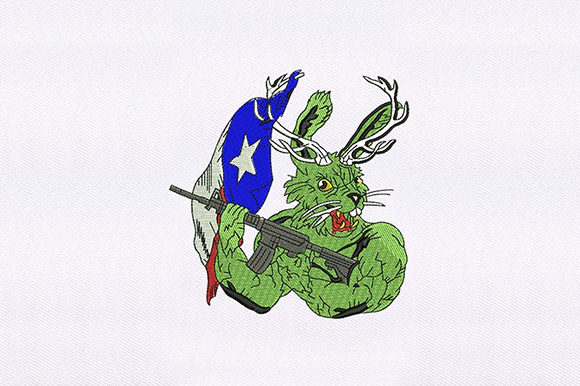
When I first opened the Mad Rabbit machine embroidery design from Creative Fabrica, I was immediately drawn to its personality. This is not a stiff, overly detailed wildlife portrait. It has a playful, slightly rustic charm that feels both modern and approachable. As someone who regularly sources Creative Fabrica embroidery for my boutique apparel lines, I am always looking for designs that translate well onto fabric without losing their character. Mad Rabbit delivers that balance. It reads as whimsical yet refined, with a mood that sits somewhere between woodland storybook and trendy streetwear accent. The stitching feels intentional, not overcrowded, which is a relief for anyone who has wrestled with overly dense designs on fleece or stretchy knits.
For apparel decorators and small shop owners, the first impression of a digital embroidery file matters. Mad Rabbit does not try to be everything at once. It is decorative without being fussy, bold without being aggressive. On a neutral sweatshirt, it reads as warm and approachable. On a pastel hoodie, it takes on a softer, more feminine feel. On dark apparel, the contrast can make the rabbit pop, especially if you choose thread colors that lift the detail work. This design has the kind of visual flexibility that makes it useful across multiple seasons and product categories. Whether you are building a collection for an Etsy seller shop or prepping inventory for a small clothing brand, this design gives you room to play with mood and color.
First Impressions and Visual Personality
Mad Rabbit feels like a design that was created with fabric in mind. The linework has a hand-drawn quality that avoids looking mechanical. The rabbit shape is clear and recognizable, but there is enough stylization to keep it from feeling like a generic clip art conversion. The overall mood leans toward playful and casual, but the stitching detail suggests a more refined hand. It is not overly cute in a childish way, nor is it stark or minimal. It sits somewhere in the middle, which is exactly where most boutique brands need their core designs to land.
For those who work with Woodland Animals themes, Mad Rabbit fits naturally into that category. But it does not feel limited to nursery decor or baby gifts. The design has enough presence to stand on a front chest placement for an adult hoodie or as a back accent on a denim jacket. I have seen many rabbit designs that feel too delicate or too heavy for garment work. This one strikes a balance. The stitch density appears moderate, which means it should lay flat on most fabrics without excessive puckering or stiffness. That is a critical consideration when you are producing finished product for paying customers.
Performing on Sweatshirts, Hoodies, and Tees
When I evaluate a Creative Fabrica embroidery design for sweatshirt embroidery, I think about how it will behave on fleece, cotton blends, and French terry. Mad Rabbit looks like it will handle these fabrics well. The design is not overly dense, so it should not create a stiff patch effect on a soft hoodie. For hoodie chest placement, the size seems appropriate for a centered look that does not overwhelm the garment. I would recommend testing it at a few different scale percentages to see how it reads on an adult medium versus a plus-size oversized fit.
For sleeve accents, Mad Rabbit could work as a small repeat or a single motif placed near the cuff or shoulder. The shape is compact enough that it will not distort awkwardly on a curved surface. On t-shirt embroidery, the design should hold up well on lightweight knits, especially with a good cutaway stabilizer and a light to medium weight tearaway. I would avoid using it on very thin sheer fabrics unless you back it carefully. For tote bags and lifestyle accessories, Mad Rabbit adds a handmade, artisanal feel that photographs well for product listings and social media graphics.
Placement Considerations for Boutique Merchandise
Placement is everything in custom apparel. Mad Rabbit is versatile enough for several standard locations. Small chest placement on a hoodie or tee works because the design is compact and visually balanced. It does not rely on tiny lettering or delicate elements that would be lost at a small scale. For back designs, the rabbit could be enlarged and centered between the shoulder blades for a bold statement. I would test the stitch density at a larger hoop size to make sure the integrity of the design holds when scaled up.
There are a few areas where I would use caution. Dense stitch areas, if any exist in the design, should be tested on stretchy fabric like ribbed cuffs or curved surfaces. Fleece can also hide density issues, but it can also cause distortion if the design is too heavy. Dark garments are fine, but thread color contrast becomes important. You want the rabbit to read clearly without relying on overly bright or metallic threads. For darker fabrics, consider using a lighter underlay or a white bobbin thread to prevent show-through.
I would also recommend testing on a similar garment fabric before committing to a full production run. That is standard practice for any machine embroidery design, but it is especially important when working with a new file from Creative Fabrica. The embroidery file formats listed include 10O, ART, CND, DSB, DST, DSZ, EXP, PES, TAP, VIP, and VP3, which cover most commercial and home machines. But you should always confirm that your specific machine is compatible and that the hoop size required fits your equipment.
Practical Embroidery Designer Notes
Before you stitch Mad Rabbit on a finished product, take the time to test on scrap fabric. This is not just about checking the design. It is about understanding how the thread colors interact with your fabric choice. Run a test on a piece of fleece similar to your sweatshirt fabric, and another on a cotton knit if you plan to use it on tees. Check the stabilizer choice carefully. For most apparel applications, a medium weight cutaway stabilizer will give you the best results. If you are stitching on stretchy or unstable fabric, consider adding a layer of temporary adhesive spray or a topper to keep the nap down.
Inspect the stitch density as you watch the test sew out. If you notice any areas where the stitches are too close together, especially in small details, you may need to adjust the pull compensation or reduce the density in your software. If the design has dense fill areas, they may cause the fabric to pucker, especially on lightweight knits. In that case, a heavier stabilizer or a water soluble topper can help. You should also confirm the hoop size needed for the design at its intended scale. If you plan to enlarge the design, make sure your hoop can accommodate it without distortion.
Thread color contrast is another factor that can make or break the finished look. Mad Rabbit is a woodland animal design, so natural tones like browns, grays, creams, and greens will feel cohesive. But if you want to push the design toward a more trendy or bold look, consider a metallic or neon accent for the eyes or ears. That kind of creative choice can help your boutique brand stand out in a crowded market. Just be sure to test those thread types on your fabric before production.
How Mad Rabbit Affects Apparel Value and Brand Identity
When you add a design like Mad Rabbit to a sweatshirt or hoodie, you are not just decorating fabric. You are adding perceived value. A well-stitched embroidery design elevates a blank garment into a finished product that customers will pay a premium for. For boutique brands and small shop products, that is the difference between a basic item and a must-have piece. Mad Rabbit has the kind of visual appeal that photographs well for printable mockups, Etsy listings, and social media graphics. It tells a story without needing a lot of explanation. That is valuable for customer engagement and buyer trust.
For Etsy sellers and handmade business owners, consistent design choices across your product line build recognition. If Mad Rabbit becomes a signature motif in your shop, customers will associate it with your brand identity. That kind of visual consistency helps with repeat sales and customer loyalty. The design is distinctive enough to be memorable but not so niche that it only works for one season or audience. It could be part of a fall collection, a spring refresh, or a year-round staple.
From a commercial embroidery perspective, Mad Rabbit is a practical choice. The file formats cover a wide range of machines, which means you can use it for small runs or larger production without worrying about conversion issues. The design feels like it was digitized with garment work in mind, which is not always the case with decorative motifs. It does not rely on excessive stitch counts or tiny details that would be lost in production. That makes it suitable for both one-off custom orders and batch production for wholesale clients.
Final Thoughts for Apparel Decorators and Small Shop Owners
Mad Rabbit is a well-rounded Creative Fabrica embroidery design that fits comfortably into a boutique apparel workflow. It performs well on sweatshirts, hoodies, tees, and tote bags. It offers enough visual personality to support a strong brand identity without being too loud or trendy. For apparel decorators who are building a collection around Woodland Animals or rustic themes, this design is a solid addition to your digital library.
As with any machine embroidery design, I recommend confirming the specific stitch count, hoop size, and machine compatibility from the Creative Fabrica product page before purchasing. The file formats listed include 10O, ART, CND, DSB, DST, DSZ, EXP, PES, TAP, VIP, and VP3, which cover most popular machines. But always double-check the details for your setup. Licensing terms are also important to review before selling finished apparel. Creative Fabrica typically provides clear guidelines for commercial use, but it is your responsibility to understand them.
For anyone planning a small apparel collection, Mad Rabbit is worth a test sew-out. It has the kind of charm that customers notice and remember. And in the world of boutique apparel, that is exactly what you want in a finished product.