Playing Maple Leaf: A Designer's Hands-On Review
I have been stitching out machine embroidery designs for over a decade, and I have learned to spot the difference between a file that looks pretty on screen and one that actually performs under the needle. When I first loaded Playing Maple Leaf into my software, I was curious how this nature-inspired motif would translate to real fabric. After running it through several test stitches and a full production project, I have a clear picture of where this design delivers and where it asks for a little extra attention. This review is written from the perspective of a designer who uses embroidery files daily for client work, small shop merchandise, and personal handmade products. I want to give you the practical insight you need before you buy, stitch, or sell anything made with Playing Maple Leaf.
First Impressions: Mood and Visual Personality
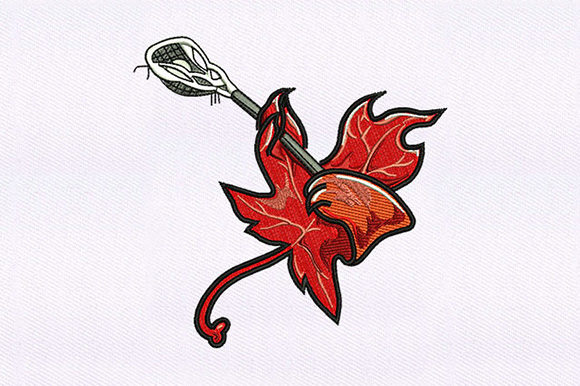
Playing Maple Leaf carries a grounded, organic feel that immediately suggests autumn, nature, and warmth. The leaf shape is full and generous, with a balanced layout that fills the hoop space without feeling cramped. The stitch details suggest a mix of satin stitch edges and fill stitch interior, which gives the design a textured, almost hand-drawn quality. This is not a minimalist outline or a hyper-realistic botanical study. It sits somewhere in the middle, with enough detail to feel crafted but not so much that it reads as busy or fragile. The mood is approachable and nostalgic. It would feel at home on a cozy sweatshirt, a kitchen apron, a handmade tote bag, or a set of embroidered tea towels. The design does not scream for attention, but it holds its own as a thoughtful accent piece.
Real-World Performance: Where This Design Shines
I stitched Playing Maple Leaf onto a medium-weight cotton apron as a test run for a small batch of fall-themed kitchen products. The design handled the fabric beautifully, with clean satin stitch edges and even fill coverage. The stitch density feels well-calibrated for most woven and stable knit fabrics. Here is where I found it performs best:
- Custom apparel: Sweatshirts, t-shirts, and hoodies with a medium weight fabric take this design well. The leaf motif adds a subtle seasonal touch without overwhelming the garment.
- Tote bags and aprons: This is where Playing Maple Leaf really found its stride. The design sits naturally on a front apron panel or a tote bag center. It gives the product a handmade, giftable feel that customers immediately respond to.
- Embroidered patches: Because the design has a defined shape and a solid stitch structure, it works well as a patch. I tested it on twill fabric with a tear-away stabilizer, and the edge detail held up cleanly during trimming.
- Holiday and seasonal gifts: For Etsy sellers and small shop owners, this design fits nicely into a fall or Thanksgiving product line. It is not overly Christmas-specific, so it has a longer seasonal window.
- Baby and kids items: On a baby onesie or a toddler sweatshirt, the leaf shape reads as playful and sweet. The size is appropriate for a chest or back placement.
For commercial embroidery projects, the 5x5 hoop size and 19276 stitches mean you can stitch it out relatively quickly while still getting a detailed result. The file formats included cover most major machines, so you can load it into your workflow without conversion headaches.
Where to Use Playing Maple Leaf with Care
No design is perfect for every surface, and Playing Maple Leaf has a few areas where I recommend caution. I tested it on a lightweight rayon blend and saw some puckering around the denser fill areas. Here is what to watch for:
- Small hoop sizes: The design is optimized for a 5x5 hoop. If you try to squeeze it into a smaller hoop or resize it dramatically, the stitch density can become too tight or too loose. Test your resize before committing to a final product.
- Thin or stretchy fabric: On jersey knits or lightweight silks, the fill stitch count may cause distortion. Use a cutaway stabilizer and consider a lightweight backing to keep the fabric stable.
- Dark fabric: The design relies on clean satin stitch edges. If you stitch it in a dark thread on dark fabric, the detail can get lost. Test your thread color contrast on a scrap piece first. A light or bright thread color makes the leaf shape pop.
- Curved surfaces like caps: The design is relatively wide at 4.84 inches. On a curved cap front, the edges may not sit flat. I would recommend testing on a curved hoop before committing to a cap order.
- Frequent washing: For products like kitchen towels or baby blankets that will be washed often, make sure you use a quality stabilizer and trim any loose threads. The fill stitch areas are dense enough to hold up well, but poor stabilizer choice can lead to distortion over time.
Visual Appeal and Product Value
When I look at a design, I ask myself whether it will help a small shop owner sell a product or help a crafter feel proud of a handmade gift. Playing Maple Leaf scores well on both fronts. The visual appeal is warm and timeless. It does not feel trendy or disposable. It feels like something a customer would keep and use. For Etsy sellers and handmade product creators, this design adds a layer of professionalism to your listings. It photographs well in mockups, especially on neutral backgrounds like cream, brown, or soft green. The design also works as a standalone motif or as part of a larger composition if you pair it with text or other small leaf elements. In terms of brand consistency, this design fits naturally into a nature-inspired or rustic aesthetic. If your shop sells home goods, kitchen linens, or seasonal apparel, Playing Maple Leaf can become a reliable asset in your design library.
Practical Notes for Designers and Shop Owners
Before you put this design into production, here are a few steps I recommend based on my own testing:
- Test on scrap fabric first. I know it is tempting to skip this step, but every fabric behaves differently. Run a test stitch on a material similar to your final product before you commit to a batch.
- Check thread color contrast. The design has enough detail that a low-contrast thread color can wash out the leaf shape. Hold your thread next to the fabric and view it from a few feet away to confirm it reads clearly.
- Review stitch density. At 19276 stitches in a 5x5 hoop, the density is moderate. It is not overly dense, but it is also not a lightweight design. Make sure your stabilizer and fabric can handle the coverage.
- Test in black and white mockups. If you sell digital products or printable mockups, check how the design reads in grayscale or monochrome. Some customers preview designs in black and white before purchasing.
- Confirm licensing for commercial use. Before you sell finished products or digital assets featuring Playing Maple Leaf, verify the license terms. Some embroidery files allow unlimited commercial use, while others require attribution or a separate license. Know your rights before you list.
- Compare light and dark fabric backgrounds. The same design can look completely different on a white apron versus a dark green sweatshirt. Stitch a sample on both to see how the detail holds up.
The Bottom Line for Your Next Project
Playing Maple Leaf is a solid, versatile machine embroidery design that earns a place in any crafter or small business owner's collection. It performs well on stable fabrics, reads clearly in product photos, and carries a warm seasonal mood that customers appreciate. With a little attention to stabilizer choice and thread contrast, you can use it across a wide range of projects, from custom apparel to handmade gifts and boutique merchandise. It is not a design that tries to do everything, but it does exactly what it sets out to do with clean stitching and a natural, inviting character. If you are looking for a fall leaf motif that feels crafted rather than generic, Playing Maple Leaf is worth adding to your embroidery file library.