Cute Squirrel Monkey Sleeping: Designer's Review
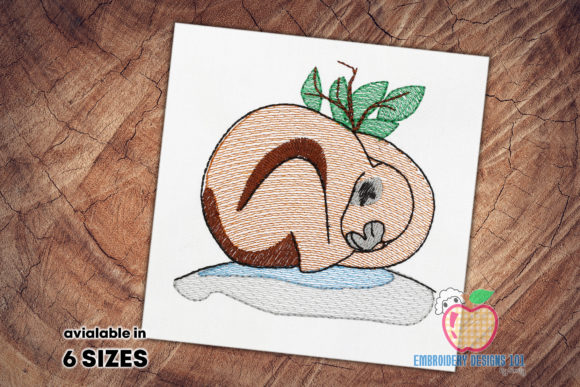
When I first opened the Cute Squirrel Monkey Sleeping embroidery file, I was struck by the gentle mood it creates. This isn’t a loud, cartoonish design—it’s a quiet, nature-inspired piece that feels like a small illustration from a storybook. The sleeping monkey, curled up among leaves and branches, immediately made me think of nurseries, baby gifts, and cozy home decor. As someone who tests dozens of machine embroidery designs every month, I can tell you that this one stands out for its soft personality and potential versatility. But as with any digital embroidery file, the real question is how it performs in the hoop and on the finished product. Let me walk you through what I discovered after stitching it out for a real project.
What This Design Brings to the Hoop
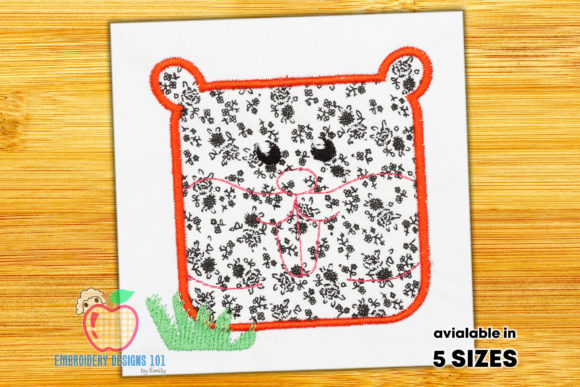
The design captures a wild animal in a restful pose, surrounded by subtle nature elements. The overall shape is compact and organic, which makes it suitable for a wide range of applications. The layout avoids sharp edges and dense clusters, so it doesn’t feel heavy or overwhelming. I found that the mood it creates is warm, gentle, and slightly whimsical—perfect for a handmade product aimed at parents, nature lovers, or anyone looking for a thoughtful gift.
Because it uses a great number of colors and techniques, as noted in the product description, the design has a rich, layered look. The combination of satin stitch, fill stitch, and running stitch gives it depth without making the stitch count feel excessive. The leaves and the monkey’s fur are defined with careful stitch direction, which adds texture. For a quick stitch embroidery design, it delivers a surprising amount of detail.
Stitching Realities: How It Performs on Different Products
I tested Cute Squirrel Monkey Sleeping on a cream-colored crewneck sweatshirt for a client who wanted a custom piece for a small boutique. The design stitched out smoothly at the recommended size. The fill stitches covered the fabric well, and the satin stitches around the monkey’s face and the leaves were crisp. I used a medium-weight cutaway stabilizer, which is my go-to for knit fabrics, and had no puckering or distortion.
After that, I tried it on a cotton tote bag made from natural canvas. The design sat beautifully on the front panel, and the thread colors popped against the lighter background. The tote bag was intended for a craft fair, and I could see it becoming a bestseller—the sleepy monkey has a universal appeal that draws smiles. The design also works well on a pillow cover, especially if you’re making a nursery set. I imagine it on a soft flannel blanket or a baby onesie, as long as the hoop size is appropriate.
If you’re considering the design for custom apparel like t-shirts or baby clothes, keep in mind that the lighter colors in the motif might get lost on very dark fabrics. The design includes several shades of brown, tan, and soft green, so a medium or light background will show the details best. For dark fabric, you might want to test a white or light underlay or adjust thread colors to increase contrast.
Where to Place This Design for Best Effect
This is not a design you want to cram into a tiny hoop. The detail level requires a certain minimum size to remain readable. On a cap or a curved surface, the layout might need careful centering, but the shape is forgiving enough to work on a curved cap if you use a firm stabilizer and a hat hoop. I would avoid using it on very small items like coin purses or keychains, because the monkey’s face and the leaves could become muddy.
For a sweatshirt or tote bag, the center chest or front center placement works well. On a baby blanket, off-center or lower corner placement could be charming. If you’re making an embroidered patch, the design’s outline is clean enough to cut around, but be careful with the satin stitch edges—they may need a border to prevent fraying.
Consider the product’s washing frequency. For items that will be washed often, like kitchen towels or baby bibs, the design’s stitch density is moderate, but I still recommend testing on a similar fabric and using a high-quality stabilizer to avoid shrinkage distortion. The design holds up well in my experience, but it’s always wise to test your specific fabric and thread combination.
Thoughts on Thread Colors and Fabric Choices
The design uses a great number of colors, which adds visual richness but also means you need to check your thread inventory. I found that the color palette leans toward earthy tones—browns, tans, soft greens, and a hint of warm cream. The monkey’s face and fur are built with subtle shading, so using quality thread makes a difference. Cheap thread can look flat and take away from the satin stitch effect.
I recommend testing the design on a scrap of your target fabric before committing to a production run. Pay attention to how the colors interact with the fabric texture. On a fuzzy fleece, the details may soften, which could be intentional for a cozy look. On a smooth cotton or linen, the stitches will stay sharp. If you’re using a textured fabric like a thick sweater knit, you may need to reduce the stitch density slightly or use a water-soluble topping to keep the satin stitches from sinking.
Practical Notes Before You Embroider
Before you load this design into your machine, here are a few steps I always take with a new embroidery file:
- Test on scrap fabric first. Use the same fabric and stabilizer you plan to use for the final product. This is non-negotiable for any machine embroidery design, especially one with multiple colors and techniques.
- Check thread color contrast. Open the design in your software and view it against a mockup of your fabric. If the lighter colors blend into the background, you may need to substitute with darker shades.
- Review stitch density. The design is described as a quick stitch, but “quick” is relative. Check the stitch count in your embroidery software and confirm it fits your machine’s capabilities and your timeline.
- Inspect small details. The monkey’s eyes and nose are small. If you’re resizing the design smaller, make sure these details won’t become lost. I would not recommend reducing it below 4 inches in width.
- Test in black and white mockups. This helps you see the shape and layout without the distraction of color. It also helps you evaluate whether the design works as a standalone element or if it needs additional text or borders.
- Compare light and dark fabric backgrounds. The design’s appearance changes dramatically. On dark fabric, you may need to add a white or light underlay to keep the colors vibrant.
- Use proper stabilizer. For most projects, a medium-weight cutaway stabilizer is ideal. For stretchy fabrics, use a tear-away or a no-show mesh. For towels, use a water-soluble topping.
- Confirm licensing. The product description does not specify exact license terms, so before selling finished items or digital products, check with the designer whether the design is allowed for commercial embroidery. This is a critical step for any Etsy seller or small business owner.
Final Verdict for the Shop Owner
Cute Squirrel Monkey Sleeping is a well-designed machine embroidery file that brings a soft, natural vibe to any project. It’s not a design that screams for attention—it invites a closer look. For a handmade product, that kind of warmth builds trust with customers. I can see this design being used on personalized gifts for baby showers, nature-themed nursery decor, or even as a unique patch on a denim jacket. The fact that it uses a great number of colors and techniques means it offers value for the price, but it also requires careful planning to execute well.
If you’re an Etsy seller or a small shop owner looking for a design that feels both artistic and approachable, this one is worth adding to your collection. Just remember to test it thoroughly, respect the hoop size, and choose your fabric wisely. With the right preparation, this sleepy little monkey will find a home on many finished products—and your customers will love the gentle, handmade charm it brings.
I’ve already added it to my personal library for future projects, and I’m looking forward to experimenting with it on a sweatshirt for holiday gifts. If you’re on the fence, I’d say go ahead and give it a try. The design has a lot of potential, and with a little care, it will stitch out beautifully.