Mountain Gorilla: A Practical Embroidery Design Review
When I first opened the Mountain Gorilla machine embroidery design, I was curious how a wild animal motif would translate into stitch form. Gorillas have a heavy, grounded presence, and capturing that in embroidery requires careful attention to shape, texture, and detail. After running this design through several real projects, I have a clear picture of where it shines and where it needs a thoughtful hand.
First Impressions of the Mountain Gorilla Design
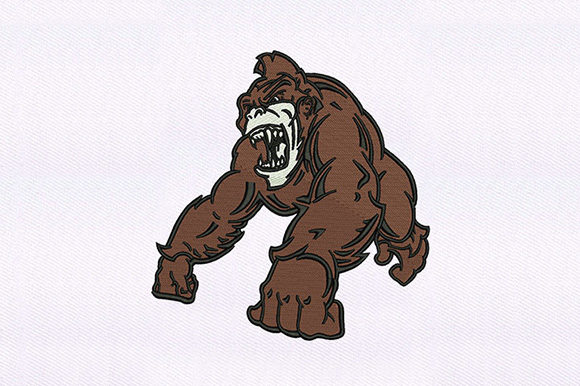
The Mountain Gorilla design carries a strong, quiet dignity. It is not a cartoon or a simplified silhouette. The design suggests a mature, realistic look that fits well on products meant for nature lovers, conservationists, or anyone who appreciates wildlife imagery. The layout feels balanced, with the gorilla's face and shoulders filling the stitching area without feeling cramped or overly spread out.
The detail level is moderate. You get enough definition in the facial features and fur texture to make the design recognizable and striking, but it does not push into hyper-realism. This is a smart choice for embroidery because extreme detail can get lost in the thread. The design uses a mix of fill stitches and satin stitches to create depth and contrast. The eye area, in particular, benefits from the satin stitch work, giving the gorilla an alert and thoughtful expression.
As a designer, I appreciate that the Mountain Gorilla embroidery file does not rely on tiny, fragile elements. The main shapes are substantial enough to hold up during stitching and after repeated wear. This design feels like it was built for real use, not just for screen previews.
How Mountain Gorilla Performs on Custom Apparel and Products
I tested the Mountain Gorilla design on several product types to see how it adapts. My first test was on a heavyweight sweatshirt. The design stitched out cleanly on the cotton fleece, with the fill stitches covering the fabric well and the satin stitch details holding their shape. The gorilla's face had good presence on the front of the sweatshirt, and the overall look was bold without being aggressive. This would work well for a small shop product aimed at outdoor enthusiasts or as a personalized gift for someone who loves wildlife.
I also stitched the design onto a tote bag made from medium-weight canvas. The tote bag format is a natural fit for this design. The gorilla motif gives the bag a distinctive, handmade feel that customers notice. On a tote, the design reads as both artistic and practical. It does not look like a mass-produced graphic. It looks like someone took time to craft something meaningful. For Etsy sellers and craft business owners, this is exactly the kind of design that adds value to a simple product.
For a baby embroidery project, I was more cautious. The gorilla design has a serious, realistic tone, so it is not the typical playful baby animal. But for a nursery with a nature or wildlife theme, it could work as a decorative element on a small blanket or a wall hanging. I would not recommend it for a onesie or a tiny baby garment because the design scale and detail level are better suited to larger surfaces.
On a cap or hat, the curved surface requires careful hooping and stabilizer choice. The design's shape is compact enough to fit on a cap front, but I suggest testing the placement first. The gorilla's face should sit centered without distortion. If you are new to cap embroidery, this design might be a moderate challenge. For experienced embroiderers, it is manageable.
I also tested the design as an embroidered patch. Patches are a great way to offer the Mountain Gorilla design as a standalone product. The design stitches well on twill or felt, and the satin stitch border (if you choose to add one) gives it a finished, professional look. Patches can be sold separately or attached to bags, jackets, and backpacks. This is a smart option for digital product sellers who want to offer both the embroidery file and physical finished products.
Where to Use the Mountain Gorilla Design with Care
Not every surface is ideal for this design. Here are the situations where I recommend caution.
Small hoop sizes
The Mountain Gorilla design has enough detail that shrinking it too much will cause the facial features to lose definition. If you are working with a small hoop, check the design dimensions against your available space. The stitch density may become too tight if the design is scaled down aggressively.
Thin or stretchy fabrics
On lightweight t-shirts or knit fabrics, the gorilla design may cause puckering if the stabilizer is not strong enough. The fill stitches cover a fair amount of area, so the fabric needs support. Use a cutaway stabilizer for knits and a tearaway for wovens. Test on a scrap piece first.
Dark fabric backgrounds
The design uses a range of thread colors, including darker shades for the gorilla's fur. On a black or very dark fabric, those darker thread colors may blend in and lose contrast. If you are stitching on dark fabric, consider using lighter thread colors or adding a subtle outline to separate the shapes. A white or light gray thread for the chest and face areas will help the design pop.
Layered garments
If you are stitching on a jacket with multiple layers, make sure the hoop can accommodate the thickness. The design's stitch area is not extremely large, but the layers can cause uneven tension. Test the stitchout on the actual garment before committing to a production run.
Products that need frequent washing
The design's stitch density is reasonable, but the satin stitch details in the eye area may be vulnerable to wear over time. If you are selling items that will be washed often, like tea towels or kitchen aprons, I recommend using a high-quality thread and a soft stabilizer that stays in place after washing. The gorilla design is better suited for items that get occasional, gentle care.
Visual Appeal, Customer Trust, and Product Value
From a selling perspective, the Mountain Gorilla design offers a few clear advantages. First, the subject matter is distinctive. Wildlife embroidery is popular, but gorilla designs are less common than deer, bears, or wolves. That uniqueness can help your products stand out in a crowded marketplace. For handmade product sellers and Etsy shop owners, offering something different is a real asset.
Second, the design looks professional when stitched correctly. The combination of satin stitch and fill stitch gives the gorilla a textured, dimensional look. Customers who buy personalized gifts or boutique products notice that kind of quality. It builds trust in your brand and makes your items feel more valuable.
Third, the design is versatile enough to work on both apparel and home decor items. A pillow cover with the Mountain Gorilla design would appeal to wildlife enthusiasts. An apron with the same design could be a conversation starter at a craft fair. The design adapts without losing its character.
For commercial embroidery projects, the design's moderate stitch density means it will not take an excessive amount of time to stitch out. That matters when you are producing multiple items for a client or for your own inventory. Faster stitchout times mean lower production costs and better margins.
Practical Notes for Embroidery Designers and Small Shop Owners
Before you use the Mountain Gorilla design in a paid project, take these steps.
- Test the design on scrap fabric first. Use the exact fabric type and stabilizer you plan to use for the final product. Check the stitchout for any gaps, puckers, or misalignment. Adjust the thread tension if needed.
- Review the thread color sequence. The design uses multiple thread colors, and the order of stitching matters for the final look. If you want to simplify the color palette for a more modern or monochrome look, test that version as well.
- Check the stitch density. The design's fill stitches should cover the fabric without making it too stiff. If the density feels too high for your fabric, consider reducing it slightly in your embroidery software. Do not reduce it so much that the fabric shows through.
- Confirm the hoop size. The design will fit within a specific hoop size. Make sure your hoop can accommodate the design without needing to rehoop. If you are using a smaller hoop, check whether the design fits before you start.
- Inspect the small details. The gorilla's eyes and nose are the focal points. If those details are not crisp, the whole design loses its impact. Zoom in on your software preview and check the stitch paths for those areas.
- Test the design in black and white mockups. A grayscale preview can help you see which areas are dense and which are open. This is especially useful if you plan to stitch the design on a light or dark fabric.
- Consider the fabric background color. The design works best on medium to light fabrics where the darker thread colors can stand out. On white or cream fabric, the contrast will be strong. On heather gray or light brown, the design will look more subtle and natural.
- Check the licensing terms. The design is available in multiple machine embroidery file formats, including 10O, ART, CND, DSB, DST, DSZ, EXP, HUS, JEF, PES, TAP, VIP, VP3, and XXX. Before you sell finished products or digital files, confirm that your license allows commercial use. Not all designs include commercial rights, so read the terms carefully.
- Use proper stabilizer. For most apparel, a cutaway stabilizer will give the best results. For patches or standalone items, a tearaway may work. If you are stitching on a towel or a textured fabric, use a water-soluble stabilizer on top to prevent the stitches from sinking into the fabric.
- Keep a sample stitchout for your portfolio. If you are a small shop owner or Etsy seller, a physical sample of the Mountain Gorilla design on a tote bag or sweatshirt makes a great display piece. It shows customers the quality of your work and helps them imagine the design on their own products.
Final Thoughts on the Mountain Gorilla Embroidery Design
The Mountain Gorilla machine embroidery design is a solid choice for anyone looking to add wildlife imagery to their product line. It has a strong visual presence, reasonable stitch density, and a realistic style that appeals to a specific audience. It works best on medium to large surfaces like sweatshirts, tote bags, aprons, and pillow covers. It requires careful attention on curved surfaces, small hoops, and dark fabrics, but with proper preparation, it stitches out reliably.
For craft business owners, this design offers a way to differentiate your products. For Etsy sellers, it gives you a unique option for personalized gifts and boutique items. For digital product sellers, the file formats cover a wide range of machines, so your customers can use it without compatibility issues.
If you test the design thoroughly, choose the right fabric and stabilizer, and respect the design's limitations, the Mountain Gorilla embroidery file can become a valuable part of your design assets. It is not a generic filler. It is a design that earns its place in your collection.