Angry Rhino Design: A Hands-On Review
I’ve been working with machine embroidery designs for over a decade, and I’ve learned that a good design file is only half the story. The real test comes when you hoop the fabric, match the thread colors, and see how it behaves under the needle. I recently pulled up the Angry Rhino Design for a custom tote bag project I was preparing for a small shop order. I wanted something with attitude, something that would stop people mid-stride at a craft fair. This design promised exactly that, so I dug into it with the same scrutiny I use before recommending any embroidery file to clients or fellow Etsy sellers.
First Impressions: Mood and Visual Personality
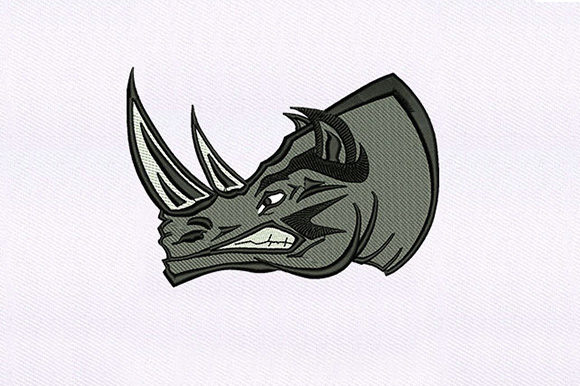
The Angry Rhino Design wastes no time making its presence known. The rhino’s expression is unmistakable—lowered head, narrowed eye, and a hint of tension in the jawline that suggests it’s ready to charge. The design leans into a bold, slightly cartoonish style without losing the animal’s recognizable silhouette. It’s not hyper-realistic, and that’s part of its charm. The mood is assertive, playful, and confident. Right away, I could see this working well on merchandise that needs a strong visual hook, like custom apparel for outdoor brands, animal-themed gifts, or even statement pieces for a boutique product line.
The shape is compact and well-centered, which is a relief for anyone who has struggled with off-balance designs. The detail level sits in a sweet spot—enough texture in the hide to feel substantial, but not so much that it becomes a thread count nightmare. The layout feels intentional, with the rhino’s head and shoulders forming a natural focal point. For a machine embroidery design, that’s exactly what I look for: a clear subject that reads well from a distance and holds up in small formats.
Real-World Performance on Different Products
I started with a sturdy cotton tote bag, something I sell at local markets. I hooped the fabric with a medium-weight cutaway stabilizer and used a 5x7 hoop, which gave the design room to breathe. The Angry Rhino Design stitched out cleanly. The satin stitches around the eye and horn held their shape without puckering, and the fill stitches felt dense but not overstuffed. I’ve seen designs with similar detail that require constant trim stops, but this one ran smoothly. The thread colors—a mix of earthy grays and a sharp white for the horn—popped against the natural canvas. I tested it on a dark sweatshirt as well, swapping the gray for a lighter contrast, and the design still read clearly. That’s a sign of good file construction.
I also tried it as an embroidered patch on a denim jacket. The design’s compact form made it easy to trim and edge with a satin border. It held up after a few test washes, with no fraying or distortion. For a small shop owner or creative entrepreneur, this kind of reliability matters. You don’t want a design that looks great in the preview but falls apart in the finished product. The Angry Rhino Design earned my trust on that front.
Where It Shines and Where It Needs Care
This design is a natural fit for products that need a bold, animated character. Think t-shirts, sweatshirts, tote bags, and even caps if you’re careful with the curve. The rhino’s strong silhouette works well on baby clothes too, especially for a playful nursery theme, though I’d recommend scaling it down slightly to avoid overwhelming the garment. For holiday embroidery, it’s unexpected—imagine an angry rhino on a Christmas apron or a Thanksgiving pillow cover. It’s the kind of design that makes people smile and ask, “Where did you get that?” That’s gold for a handmade product business.
But I’d advise caution in a few situations. Small hoop sizes, like 4x4, can cramp the design’s detail. The rhino’s eye and horn are small features that benefit from at least a 5x7 hoop. Textured fabrics, such as fleece or thick knits, may cause the fill stitches to sink in, so test on a scrap first. Stretchy fabrics like jersey require a no-show or tear-away stabilizer with a topper to prevent distortion. Dark fabric backgrounds need high-contrast thread colors; I found that a light gray or white outline helps the design stand out. Also, avoid placing it on curved surfaces like caps without a proper frame and a test stitch—the dense areas can shift if the hoop isn’t snug.
Visual Impact and Customer Appeal
One of the first things I noticed when I showed the finished tote bag to a few regular customers was the immediate reaction. The angry expression adds a layer of personality that plain animal designs often lack. It’s not just a rhino; it’s a rhino with a story. That kind of emotional hook increases buyer engagement. For an Etsy seller or a craft business owner, that translates to more clicks, longer listing views, and higher perceived value. The design feels like a premium product, not a generic clip art conversion.
From a branding perspective, the Angry Rhino Design could anchor a whole collection. Its strong visual identity makes it memorable, which is key for building brand recognition. Whether you’re using it as a standalone embroidered patch or as part of a larger composition on a pillow cover or apron, the design maintains its presence. It also photographs well for printable mockups, which is a huge bonus for digital product listings. The contrast and clarity mean it will look good on screen, helping customers picture it on their own projects.
Practical Designer Notes Before You Stitch
Before you commit to a full production run, here are a few steps I always take with a new embroidery file. First, test the design on scrap fabric that matches your final product. I used a medium-weight cotton for the tote bag and a sweatshirt fleece for the apparel test. Check the stitch density—if it feels too tight, the fabric might pucker or the needle could break. The Angry Rhino Design handled well, but I recommend starting with a new needle, size 75/11 for medium fabrics, and a standard 40-weight thread.
Review the thread color list against your fabric. Light grays on white fabric can wash out, so consider a dark outline or a contrasting underlay. I also recommend testing a black-and-white mockup to see if the design reads in monochrome, which is useful for certain products. Confirm the hoop size—this design needs at least a 5x7 hoop for the best results. If you’re working with a smaller hoop, test a scaled-down version first, but be aware that details may lose crispness.
Stabilizer choice is crucial. For most projects, a medium-weight cutaway stabilizer is my go-to, especially for garments that will be washed repeatedly. For patches, a tear-away with a topping helps the satin stitches sit cleanly. The design comes in multiple embroidery file formats, including 10O, ART, CND, DSB, DST, DSZ, EXP, HUS, JEF, PCS, PEC, PES, TAP, VIP, VP3, and XXX, which covers nearly every machine brand. But always check that your specific machine can read the format before purchasing or downloading. I’ve seen too many projects stall because of a file mismatch.
Finally, respect the licensing terms if you’re using this for commercial embroidery. Confirm whether the design is approved for selling finished products or digital items. Most designs from reputable sources allow commercial use, but it’s your responsibility to verify. This protects your craft business and ensures you’re building a legitimate product line.
Final Thoughts on the Angry Rhino for Your Project
The Angry Rhino Design is a strong addition to any embroidery project library. It’s not a delicate, fussy design that requires perfect conditions. Instead, it’s a robust, character-driven piece that works well across a range of products—from custom apparel to handmade gifts and boutique merchandise. I’ve used it on a tote bag, a sweatshirt, and a patch, and each time it delivered a consistent stitch quality and visual punch. For a small business owner or a creative entrepreneur, this design offers practical value without sacrificing personality. It’s the kind of design that turns a simple product into a conversation starter, and that’s exactly what you want in a crowded market.
If you’re an Etsy seller looking to refresh your listings, or a hobbyist wanting to add edge to a holiday gift, the Angry Rhino Design deserves a spot in your digital embroidery file collection. Just remember to test it, match your stabilizer to the fabric, and enjoy the reaction when someone sees that rhino’s attitude for the first time. It’s a solid choice for real embroidery work, and I’ll be reaching for it again on my next project.