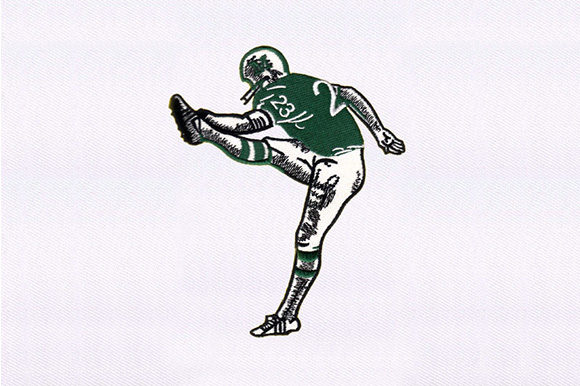
Young Football Player Design: Craft Fair Review
Walking into a craft fair with a stack of tote bags and a hopeful smile is a rite of passage for every handmade shop owner. The difference between a good day and a great day often comes down to one thing: the design assets you choose to stitch. As an embroidery designer who has tested hundreds of machine embroidery designs for the booth, I want to share my honest review of the Young Football Player Design. This digital embroidery file promises a lot, but how does it hold up under the needle and in the hands of a paying customer? Let's talk about real-world production, display, and sales for your small shop product.
First Impressions: A Design with Energy and Purpose
The Young Football Player Design immediately strikes me as a high-energy, modern motif. It captures the beautiful game in a way that feels both aspirational and deeply personal. The silhouette or detailed character work conveys motion and joy. For a craft fair product, this is a massive advantage. It tells a story instantly. Customers don't just see a sport; they see their child, their niece, or their community. The "Africa" category gives it a rich cultural context that can command attention and respect in a diverse marketplace. It is a departure from standard sports branding, offering a handmade product that feels authentic and meaningful. The visual appeal is strong, and it invites engagement from the moment a shopper glances at your booth.
Best Product Matches for Your Handmade Line
Not every product is the right canvas for this design. Here is where I see the strongest return on investment for your production time and thread colors.
Tote Bags and Market Bags
A sturdy cotton or canvas tote bag design is the perfect vehicle for this embroidery file. It is affordable for customers, easy to produce in batches, and offers a large, flat surface for the embroidery. The Young Football Player Design becomes a statement piece. I recommend using a 5x7 or 6x10 hoop size to give the design breathing room. A subtle placement, like a high center or a lower corner, works well. The fabric texture of a heavy canvas is forgiving and holds the stitch density beautifully. This is your strongest candidate for a bestseller.
Embroidered Patches
Patches are a goldmine for craft fairs. They are low-cost to produce, easy to display, and appeal to impulse buyers. This design, if digitized with a clean edge and appropriate density, makes a fantastic embroidered patch. Sew it onto a denim jacket, a backpack, or a cap. It is a way for customers to take home a piece of the art without committing to a larger item. I advise testing the design on a patch substrate to ensure the edges roll neatly under the satin stitch border. The stitch density is critical here to ensure the patch holds its shape.
Caps and Hats
A custom cap is a staple in any sports-themed booth. The Young Football Player Design needs to be tested on a curved surface. Check the embroidery file formats for how it handles the curve of a cap. The design should be compact enough to fit on a cap front without distorting. Small details can get lost on the structured fabric of a cap, so a bold, clean version of the design is ideal. Pay close attention to the stabilizer and topping you use to keep the stitches crisp.
Pillow Covers and Pouches
For a boutique feel, consider a linen pillow cover. This appeals to customers looking for decor for a young athlete's room. The texture of linen adds a premium feel to the finished product. Small zippered pouches are another excellent quick-production item. They are perfect for storing sports gear, headphones, or trading cards. The design needs to scale down well for a pouch. Test the thread colors on the fabric to ensure the design remains readable and striking at a smaller size.
Aprons and Tea Towels
A sports-themed apron embroidery or tea towel embroidery is a clever gift item. It works for the sports fan who loves to cook or grill. However, tea towels have a high texture. You must use a water-soluble stabilizer topper to prevent the thread from sinking into the fabric. The stitch density must be balanced to avoid puckering on the towels. If the design has very dense areas, it may feel stiff on a lightweight kitchen towel. Testing is non-negotiable here.
Production Reality: What You Need to Know Before You Stitch
Let's get practical. A beautiful design file is only as good as its stitch-out. Here are my critical notes for the embroidery business owner.
Stitch Density and Fabric Texture
High stitch density can make a design look rich, but it can also cause problems. On lightweight fabrics, it can pucker. On thick towels, it can feel board-like. I recommend testing the Young Football Player Design on your chosen fabric. If it is a dense design, use a cut-away stabilizer for stability. For lower density designs, a tear-away might suffice. The fabric texture should complement the design, not fight it. Always inspect the design file in your software to get a sense of the density before you load the hoop.
Thread Colors and Contrast
The thread colors you choose will make or break the visual appeal. For a young football player, vibrant colors work best. Consider the skin tone depicted in the design and choose a thread palette that offers realistic shading or a bold, stylized look. A bright white or yellow thread can make the design pop on a dark tote bag. Always check the thread color stops in your embroidery software and adjust them to match your brand's aesthetic. High contrast is essential for catching the eye across a busy craft fair aisle.
Hoop Size and Placement
The design comes in multiple formats, which is excellent. But you must check the default hoop size. A 4x4 hoop will severely limit the size of the design. For best results in a craft fair setting, use a 5x7 or larger hoop. This allows the design to be a true focal point. Placement is key: center chest for caps, upper center for tote bags, and lower corner for towels. The spacing around the design affects how professional the finished product looks. Give it room to breathe.
Stabilizer and Topping
Never skip the stabilizer. For the Young Football Player Design, a cut-away stabilizer is your safest bet for most products. It prevents the design from stretching out of shape. For textured fabrics like tea towels, a water-soluble topping is mandatory. It holds the stitches on top of the fabric texture and washes away, leaving a crisp, clean design. For commercial embroidery production, choosing the right stabilizer saves time and reduces frustration.
Maximizing Craft Fair Sales and Online Listings
Having a great product is half the battle. You need to present it in a way that makes customers stop and look.
Booth Display and Visual Appeal
Create a story. Display the tote bag with a real soccer ball. Use a mannequin or a hook to show the cap. A small sign that says "Custom Embroidered Gear for Your Young Athlete" can draw in the right crowd. The design assets themselves do the heavy lifting, but a clean, organized booth with strong lighting will highlight the quality of your embroidery. The Young Football Player Design naturally draws attention because of its dynamic pose and cultural relevance. Let it be the hero of your display.
Photography and Etsy Listings
For your Etsy seller account, photograph the finished product in natural daylight. Show the texture of the stitching. Include a close-up photo that reveals the thread colors and the quality of the digitizing. A printable mockup can be used for listing the design, but a real photo of the finished product builds trust. It shows you are a professional who delivers high-quality handmade goods. Use keywords like "football embroidery," "sports tote bag," and "African pride embroidery" in your listings to attract the right customers.
Practical Embroidery Designer Notes and Final Checklist
Before you commit to a full production run for your next craft fair, here is my checklist.
- Test the design on a scrap piece of your target fabric. Check for skipped stitches or puckering.
- Review the thread colors. Do they contrast well with your fabric background? Adjust them in your software if needed.
- Check the spacing around the design. Is it centered? Is it proportional to the product?
- Confirm the hoop size. Can you fit the design in your largest hoop for maximum impact?
- Inspect the stitch density. Is it too dense for a lightweight towel? Too loose for a patch?
- Use the right stabilizer. Cut-away for stable items, tear-away for patches, water-soluble topping for high-texture fabrics.
- Create at least one real mockup of your best-selling product. A tote bag or cap is a great start.
- Compare fabric colors. A dark design on a dark fabric will disappear. Ensure high contrast for maximum visual appeal.
- Confirm commercial licensing. The product description does not explicitly state commercial use rights for the Young Football Player Design. It is your responsibility to check the license agreement before selling any finished products. This is a non-negotiable step for any small shop product.
Final Verdict for the Handmade Business Owner
The Young Football Player Design is a strong, marketable machine embroidery design with a clear target audience. It offers excellent potential for a diverse range of finished products, from tote bags and aprons to embroidered patches and caps. Its cultural resonance, tied to the "Africa" category, adds a layer of depth that can differentiate your booth from generic sports decor. With careful attention to fabric texture, stabilizer, thread contrast, and hoop size, this design can be a reliable bestseller. It appeals directly to the heart of the craft fair customer: someone looking for a unique, high-quality, and meaningful handmade gift. I recommend adding it to your design assets, but only after thorough testing and license confirmation. Stitch smart, and it will sell well.