Wax Worm Lineart Design: A Designer's Review
As an embroidery designer who has digitized, stitched, and sold thousands of machine embroidery designs for boutique apparel, I approach every new file with a mix of curiosity and practical skepticism. When I came across the Wax Worm Lineart Design on Creative Fabrica, I was immediately drawn to its clean, sketch-like aesthetic. This is a design that sits at the intersection of playful and refined, making it a strong candidate for custom apparel projects ranging from cozy sweatshirts to trendy tote bags. In this review, I will walk through how this Creative Fabrica embroidery product performs across different garment types, placement options, and production workflows, and share the honest judgment I would apply before including it in a boutique collection.
First Impressions and Visual Personality
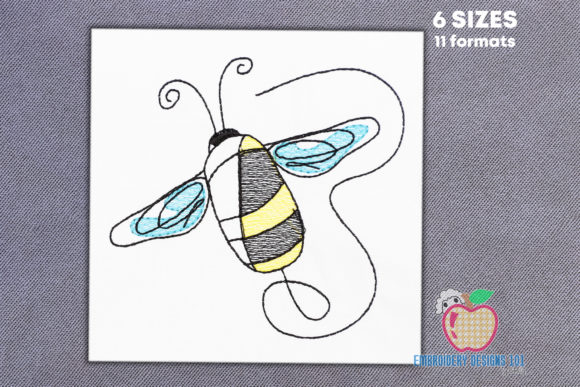
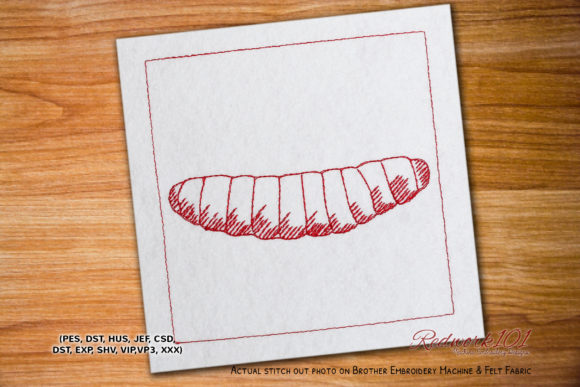
The Wax Worm Lineart Design presents a charming, hand-drawn quality that feels both whimsical and deliberate. The linework is clean without being overly rigid, giving it a personality that is playful, minimal, and slightly rustic. This is not a dense, photorealistic embroidery file; it is a decorative, outline-driven motif that works beautifully for small to medium placements. The visual mood leans casual and cute, but with enough detail to feel intentional rather than simplistic. For boutique brands targeting a nature-inspired, quirky, or insect-themed aesthetic, this design offers a fresh alternative to more common floral or animal motifs. The optional Box Stitch adds a framing element that can either anchor the design or be omitted for a more open, airy look. The note about the outer box color being different in most designs, and the option to skip that color entirely, is a practical detail that gives the embroiderer control over the final presentation. This flexibility is a welcome feature for custom apparel creators who want to adapt the machine embroidery design to their brand palette.
Performance Across Apparel Types
When evaluating any Creative Fabrica embroidery product, I consider how it behaves on different fabric textures and garment styles. The Wax Worm Lineart Design performs well across a range of apparel, but its success depends on thoughtful placement and stabilizer choice.
Sweatshirts and Hoodies
This is where the design truly shines. On a neutral or pastel hoodie, the lineart creates a subtle, hand-stitched look that feels organic and not overly commercial. The limited stitch density means the design does not weigh down fleece or cause excessive puckering, provided you use a cutaway stabilizer. For sweatshirt embroidery and hoodie design, I recommend a left chest placement at roughly 3.5 to 4 inches wide. The Box Stitch, if used, should be in a contrasting color that complements the garment, or you can skip it entirely for a more minimalist look. On dark apparel, choose a bright or metallic thread color to ensure the linework pops against the fabric.
T-Shirts and Tote Bags
On lightweight t-shirts, the Wax Worm Lineart Design works well because the low stitch count reduces the risk of distortion on knit fabrics. I recommend using a tear-away stabilizer for stable knits or a lightweight cutaway for stretchy blends. For tote bag design, the design holds up well on cotton canvas or linen. The lineart style feels natural on a tote, giving the product a handcrafted, artisan quality that appeals to Etsy sellers and small shop product creators. The optional Box Stitch can be used to frame the design on a bag, but I prefer it without for a more organic look.
Denim Jackets and Oversized Garments
For denim or heavier fabrics, the design stitches cleanly without excessive needle breaks. The lineart style avoids the dense satin fills that can cause issues on thick seams or curved surfaces. On oversized garments, consider placing the design on a sleeve or at the center back for a bolder statement. The Wax Worm Lineart Design also works well as a sleeve accent on a denim jacket, especially when paired with a small embroidered label or coordinating thread color.
Strategic Placement for Maximum Impact
Placement is everything in commercial embroidery, and this design offers several viable options for building a cohesive product collection.
- Left chest placement: Ideal for unisex sweatshirts and hoodies. Keep the design between 3 and 4 inches wide to maintain proportion. The Box Stitch, if used, should be subtle and not overpower the lineart.
- Center back placement: For oversized hoodies or jackets, a larger version of the design at the upper back creates a striking focal point. This is especially effective for boutique brand collections that emphasize bold graphics.
- Sleeve accent: Place the design on a sleeve cuff or upper sleeve for a subtle, editorial detail. This works well on both knit and woven fabrics.
- Front center on a t-shirt: A smaller, centered placement at the chest works well for unisex tees. The lineart style feels modern and not overly busy.
- Bag or pouch accent: For tote bags or cosmetic pouches, the design can be placed off-center or near the bottom edge for a playful surprise.
When planning for Etsy listings and social media graphics, the Wax Worm Lineart Design photographs well due to its clean outlines. The lineart style translates nicely into printable mockup images, making it easier to showcase the finished product digitally before stitching.
Technical Considerations for Production
Every embroidery file comes with its own technical personality. The Wax Worm Lineart Design is relatively straightforward to stitch, but there are a few points every apparel decorator should verify before mass production.
Stitch Density and Fabric Behavior
The design features lineart stitching, which means the density is low to moderate. This is a positive for most apparel applications, as it reduces the risk of fabric distortion. However, on stretchy or ribbed fabrics, the linework can pull if the stabilizer is not adequate. I recommend testing on a scrap of the actual garment fabric before committing to a full run. Check the stitch count and density in your software, and if the design includes any dense areas, consider using a water-soluble topping to keep the stitches crisp on fleece or terry.
Thread Color and Contrast
The design uses a small number of thread colors, and the optional Box Stitch adds a separate color element. Review the color steps in your digital embroidery file and confirm that the outer box color is indeed separate and can be removed if desired. For dark garments, a bright or metallic thread will make the lineart pop. For pastel or neutral apparel, a slightly darker or contrasting thread adds depth. The design's simplicity makes it easy to adapt to your brand's color palette, a key advantage for handmade product creators who value consistency.
Hoop Size and Stabilizer
Check the hoop size required for the design before loading the file. The design is small to medium, typically fitting in a 4x4 or 5x7 hoop. For larger placements on the back of a hoodie, you may need to resize or use a larger hoop. Always confirm the dimensions in your software. For stabilizer, use a cutaway for knit fabrics and a tear-away or cutaway for wovens. For fleece or stretchy fabrics, a medium-weight cutaway with a water-soluble topping will yield the best results.
Value for Brand Identity and Customer Engagement
In the world of custom apparel, every design choice communicates something about your brand. The Wax Worm Lineart Design conveys a sense of playful curiosity and natural inspiration. It feels handcrafted without being overly precious, and its minimal lineart style appeals to customers who appreciate subtle, thoughtful details. For a boutique brand targeting nature lovers, artists, or those who enjoy whimsical fashion, this design can become a signature motif across multiple product categories. Its versatility allows it to appear on a sweatshirt, a tote bag, and a t-shirt within the same collection, creating visual consistency and product recognition.
From a customer engagement perspective, designs that tell a story or evoke a specific mood tend to perform better in Etsy listings and on social media. The Wax Worm Lineart Design has a conversational quality—it invites questions, comments, and shares. Customers who connect with the design are more likely to trust the brand and return for future purchases. The finished product also photographs well, making it easier to create printable mockup images for your shop or social media graphics that showcase the design in lifestyle settings.
Practical Designer Notes Before Production
Before you add the Wax Worm Lineart Design to your production queue, here are a few steps I recommend based on my own experience with Creative Fabrica embroidery files.
- Test on scrap fabric: Always stitch a test sample on the same fabric type you plan to use for the final product. This helps you identify any issues with stitch density, thread tension, or fabric pull before you work on actual garments.
- Check stabilizer choice: For fleece, sweatshirt knits, and stretchy fabrics, use a medium-weight cutaway stabilizer. For stable wovens like denim or canvas, a tear-away may suffice. If you are unsure, test both options.
- Review thread color contrast: The outer box color is optional and can be skipped. Confirm the color sequence in your software and adjust the thread palette to match your brand. A high-contrast thread will make the lineart more visible on dark fabrics.
- Confirm hoop size and dimensions: Verify the design's dimensions in your machine embroidery design software. If the design is too large for your hoop, you can resize it, but be aware that resizing may affect stitch density and detail.
- Inspect stitch density: The design should have a balanced density that is neither too sparse nor too dense. If you notice any areas that are overly dense, consider using a smaller needle or a lighter thread weight to reduce bulk.
- Compare placement options: Before stitching on a garment, use a placement template or paper printout to visualize the design on the actual garment. This helps you avoid off-center or awkward placements.
- Check Creative Fabrica product details and licensing: Review the license terms for the Creative Fabrica embroidery product before selling finished apparel. Confirm that commercial use is allowed for your business model, whether you are a small shop product creator or a larger commercial embroidery operation.
Final Thoughts on the Wax Worm Lineart Design
The Wax Worm Lineart Design is a solid addition to any digital embroidery file library, especially for apparel decorators and Etsy sellers who value versatility and a hand-drawn aesthetic. It is not a flashy, high-density design, but that is exactly its strength. It offers a clean, adaptable motif that can be used across multiple product types without overwhelming the garment. The optional Box Stitch provides a framing choice that can be customized or omitted, giving the embroiderer creative control. For a brand looking to build a cohesive collection with a natural, playful identity, this design is a reliable and visually appealing choice. Whether you are stitching a sweatshirt embroidery project for a fall collection, adding a sleeve accent to a denim jacket, or creating a run of handmade product tote bags, the Wax Worm Lineart Design deserves a spot in your production plan.