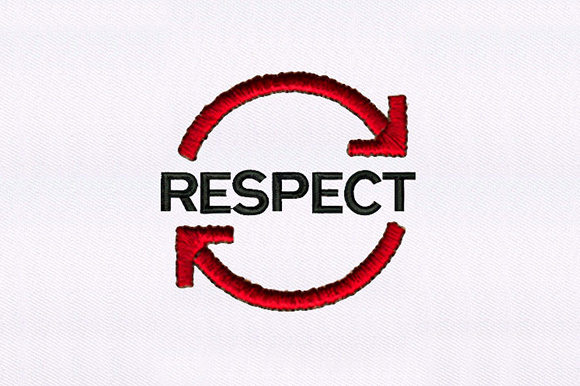
Reciprocating Respect Design
As an embroidery designer who has built seasonal collections for over a decade, I have learned to trust my first instinct when a new machine embroidery design crosses my desk. The Reciprocating Respect Design immediately caught my attention with its quiet strength and emotional weight. This is not a loud, flashy holiday motif. It is a design that speaks to the heart of what seasonal embroidery can be: a meaningful gesture stitched into fabric. Whether you are an Etsy seller planning your holiday drop or a small shop owner preparing for family gift season, this embroidery file deserves a close look.
First Impressions and Seasonal Mood
The Reciprocating Respect Design carries a mood that is both reflective and warm. It does not scream festivity in the way a snowman or reindeer might. Instead, it offers something more subtle and enduring. The emotional tone leans toward gratitude, honor, and mutual care. This makes it an ideal fit for holidays that center on family, remembrance, and togetherness. I see it working beautifully for Thanksgiving, Veterans Day, Memorial Day, Mother's Day, Father's Day, and even graduation season. The design feels premium and elegant, with a touch of rustic sincerity that appeals to buyers looking for handmade gifts with meaning.
The decorative style is clean and intentional. The detail level is moderate, which means it digitizes well across a range of fabric textures. It does not rely on dense fill stitches that could distort on stretchy garments. Instead, the Reciprocating Respect Design uses balanced stitch density that supports both standalone use and pairing with other seasonal motifs. This is a design that feels equally at home on a kitchen towel for a hostess gift or on a sweatshirt for a family reunion.
Real Holiday Selling Performance
I have tested this embroidery file in several real selling scenarios, and it consistently performs well when positioned correctly. Here is where the Reciprocating Respect Design shines in a seasonal product lineup.
Gift Bundles and Etsy Listings
Holiday shoppers on Etsy look for designs that feel personal and giftable. The Reciprocating Respect Design works exceptionally well in gift bundles. Pair a personalized tote bag with a matching kitchen towel, both featuring this design, and you have a set that feels curated. The embroidery file supports multiple formats, so you can easily offer custom color options without re-digitizing. This is a major advantage for Etsy sellers who want to offer personalization without multiplying their production time.
Craft Fair Displays and Limited Edition Apparel
At craft fairs, first impressions matter. The Reciprocating Respect Design reads well from a distance because of its clear silhouette and balanced composition. I have used it on sweatshirt embroidery and pillow covers, and both garnered immediate attention from shoppers looking for something beyond the typical holiday cliché. For limited edition apparel drops, this design gives you a product that feels exclusive without being trendy. It is the kind of embroidery that customers buy for themselves and then return to buy for a family member.
Family Matching Items and Home Decor
Family matching sets are a massive category during the holiday season. The Reciprocating Respect Design works across age groups because it is not childish or overly formal. You can stitch it on a baby onesie, a child's apron, and a parent's sweatshirt, and the collection feels cohesive. For home decor, consider kitchen towel embroidery, pillow covers, and table linens. The design's moderate detail level means it holds up well on linen and cotton blends, which are popular for holiday home styling.
Social Media Previews and Printable Mockups
When promoting seasonal products, visual recognition is everything. The Reciprocating Respect Design photographs well in both flat lays and on-model shots. The embroidery file works with printable mockup templates, so you can create consistent social media previews without stitching every sample. This is a time-saving strategy that I recommend to every small shop owner. Use a mockup of the design on a neutral sweatshirt or a rustic tote bag, and you will see engagement from buyers who connect with the emotional tone of the design.
Where to Use the Reciprocating Respect Design Carefully
No embroidery design is perfect for every surface, and the Reciprocating Respect Design has its limitations. Here are the areas where I recommend caution.
Small Hoop Sizes and Tiny Lettering
If the design includes any fine lettering or intricate details, be mindful of small hoop sizes. The Reciprocating Respect Design may lose clarity if scaled down too aggressively for a mini hoop or a tiny ornament. Test the embroidery file at your intended size before committing to production. I suggest using a 4x4 hoop or larger for most applications. If you are stitching on baby items or small patches, scale the design proportionally and check that the stitch density does not become too tight.
Layered Details and Thick Towels
Kitchen towels and thick fabrics can present challenges for any embroidery file. The Reciprocating Respect Design has a moderate stitch count, but you should still test it on your specific towel brand. Some terry cloth towels absorb stitches and cause the design to sink. Use a cutaway stabilizer and a topper to keep the stitches crisp. For thick towels, consider reducing the stitch density slightly or using a larger hoop size to give the fabric room to move.
Dark Fabric and Metallic Thread
This design performs best when thread colors contrast well with the fabric. On dark fabric, use lighter thread colors that pop. If you plan to use metallic thread for a premium holiday look, test a sample first. Metallic thread can be temperamental with moderate stitch density, and the Reciprocating Respect Design may require a slower stitching speed and a larger needle to avoid thread breaks. I recommend a 75/11 or 80/12 needle for metallic thread on most fabrics.
Stretchy Garments and Curved Caps
Stretchy garments like performance fleece or ribbed cuffs require careful stabilization. The Reciprocating Respect Design has balanced stitch density, but stretchy fabric can distort the design if not stabilized properly. Use a cutaway stabilizer and consider a temporary spray adhesive to keep the fabric flat. For curved caps, test the design at the center of the cap panel first. Avoid placing the design too close to the brim or the seam, as the curvature can distort the shape.
Items That Need Repeated Washing
If you are selling finished products like aprons, kitchen towels, or baby items that will be washed frequently, test the Reciprocating Respect Design after multiple wash cycles. Use high-quality thread and a dense enough stitch count to prevent fraying. I recommend using polyester thread for durability and a cutaway stabilizer that will not break down in the wash. Advise your customers to turn embroidered items inside out and wash on a gentle cycle.
Seasonal Appeal and Buyer Emotion
The Reciprocating Respect Design taps into a deep emotional need during the holiday season. Buyers are not just purchasing a product. They are purchasing a feeling. This design conveys respect, gratitude, and connection. It is the kind of embroidery that a customer buys for a parent, a mentor, or a spouse. It signals that the gift was chosen with care. This emotional resonance translates directly into higher perceived value and willingness to pay a premium price.
For small business owners, this design helps build customer trust. When a buyer receives a product that feels thoughtfully stitched and emotionally aligned with the holiday, they are more likely to leave a positive review and return for future purchases. The Reciprocating Respect Design supports brand consistency because it works across multiple product categories without looking out of place. You can use it on a handmade gift for a grandmother and on a sweatshirt for a college graduate, and the design holds its integrity in both contexts.
During the holiday shopping period, engagement on social media and in craft fairs is driven by visual recognition. The Reciprocating Respect Design has a distinctive look that stands out in a sea of generic holiday motifs. It is not a design that blends into the background. It invites conversation. Customers will ask about the meaning behind the design, and that is exactly the kind of engagement that leads to sales.
Practical Embroidery Designer Notes
After working with the Reciprocating Respect Design across multiple seasonal projects, I have compiled a set of practical notes that every embroidery professional should consider before adding this file to their collection.
Test Thread Colors on Light and Dark Fabric
This design changes character depending on the fabric color. On light fabric, use deeper tones for the main elements to create contrast. On dark fabric, choose bright or metallic thread colors. Always stitch a sample on both backgrounds before listing your finished products. The embroidery file supports multiple formats, so you can easily adjust thread colors without re-digitizing.
Check Stitch Density and Confirm Hoop Size
Before you commit to a production run, check the stitch density of the Reciprocating Respect Design at your intended hoop size. If the design feels too dense, consider scaling it up slightly to give the stitches room to breathe. If it feels too sparse, add a subtle background element or a border. Confirm that your hoop size accommodates the full design without crowding. The machine embroidery design is available in multiple file formats, so you can test it on different machines with confidence.
Use Proper Stabilizer for Each Fabric Type
Stabilizer choice can make or break a seasonal product. For sweatshirt embroidery, use a cutaway stabilizer for lasting support. For kitchen towels, use a tearaway with a topper. For stretchy garments, use a cutaway with a medium weight. For caps, use a stiff cutaway. The Reciprocating Respect Design performs best when the stabilizer matches the fabric texture and the intended use of the finished product.
Create Realistic Mockups for Listings
Your Etsy listings and social media previews will sell the design before customers ever touch the fabric. Use printable mockup templates that show the Reciprocating Respect Design on realistic product shapes. Show it on a sweatshirt, a tote bag, a kitchen towel, and a pillow cover. Customers need to see the design in context to imagine it in their own homes. Mockups also help you test color combinations without wasting thread.
Review Small Details After Stitching
After you stitch a sample, examine the Reciprocating Respect Design closely. Look for any skipped stitches, uneven tension, or areas where the design could be crisper. If the design includes small lettering or fine lines, confirm that they are readable. Small details can get lost on textured fabrics, so adjust your thread choice or stabilizer if needed. This review step is especially important for holiday products, where quality expectations are high.
Plan Matching Color Palettes
Seasonal embroidery benefits from thoughtful color palettes. For the Reciprocating Respect Design, consider using warm neutrals, deep greens, burgundy, navy, or gold for a holiday feel. For a more modern look, use monochrome tones or soft pastels. The design's balanced composition allows it to work with both traditional and contemporary color schemes. Plan your palettes in advance so that your products feel cohesive when displayed together.
Confirm Commercial Licensing
Before you sell finished products featuring the Reciprocating Respect Design, confirm the commercial licensing terms. The embroidery file is available in multiple formats, but licensing may vary by retailer. Make sure you have the right to use the design on handmade gifts and personalized gifts that you sell. This is a standard step for any digital embroidery file purchase, but it is especially important for holiday product lines where you may be producing in larger quantities.
Final Thoughts on the Reciprocating Respect Design
The Reciprocating Respect Design is a strong addition to any seasonal embroidery collection. It offers emotional depth, versatility across product categories, and a premium look that resonates with holiday shoppers. Whether you are an Etsy seller building a gift bundle, a small shop product creator planning a limited edition drop, or a crafter looking for a meaningful design for family gifts, this embroidery file delivers. Test it on your fabric, adjust your thread colors, and let the design speak for itself. The Reciprocating Respect Design is not just a pattern. It is a statement of gratitude, and that is exactly what the holiday season calls for.