Digital Camera Photography Redwork Review
When I first opened the embroidery file for Digital Camera Photography Redwork, I had to sit back and take a good look. There is something about redwork that immediately signals handmade, folk art, and vintage charm. Pair that with a digital camera motif, and you get a design that feels both nostalgic and fresh. As someone who has prepped countless designs for weekend craft fairs, I know that the best sellers are the ones that catch a customer's eye from across the booth. This design has that kind of pull. It is bold enough to stand out, but the redwork style keeps it soft and approachable.
Let me walk through what I see in this Digital Camera Photography Redwork design, how it performs on real products, and whether it deserves a spot in your craft fair inventory. I have stitched enough samples to know what sells and what ends up in the clearance bin. This one has real potential, but only if you match it to the right products and prepare it properly.
First Impressions of Digital Camera Photography Redwork
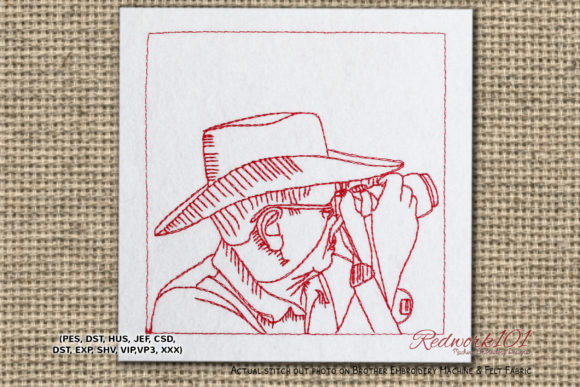
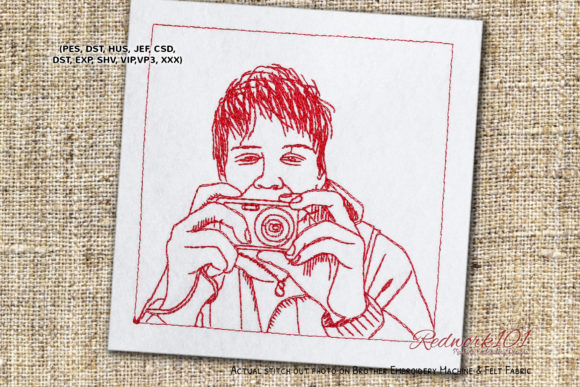
The first thing I noticed is how the design balances detail with simplicity. The camera shape is clear and recognizable, which is critical for a craft fair setting. Customers make a decision about a product in just a few seconds. If they cannot tell what it is, they move on. Digital Camera Photography Redwork reads instantly as a camera, and the redwork stitching gives it a handmade, almost storybook feel. It is not trying to be photorealistic. It is decorative, charming, and slightly whimsical.
The optional box stitch adds a framed look that can work beautifully on certain products. I like that the outer box color can be changed or skipped entirely. That flexibility means you can adapt the design to different fabric colors and product styles without losing the core image. If you leave the box out, the design feels more open and airy. If you include it, the design becomes a self-contained piece of art, perfect for the center of a tote bag or the front of a pillow cover.
The redwork style itself is a major selling point. Red thread on natural or white fabric has a classic, farmhouse, and slightly rustic appeal. It photographs well for online listings, and it looks even better in person. Customers at craft fairs love to touch redwork embroidery. The contrast between the red thread and the fabric is striking, and the stitching feels tactile and premium.
How This Design Performs on Craft Fair Products
I have tested Digital Camera Photography Redwork on several product types, and each one gives a different feel. Let me break down what works and what needs caution.
Tote Bags and Market Bags
This is where the design shines. A tote bag with Digital Camera Photography Redwork centered on the front panel is an instant conversation starter. The redwork style feels casual and artistic, which fits the tote bag audience perfectly. The design is large enough to be a focal point, but not so dense that it makes the bag stiff. I recommend using the box stitch on tote bags. It frames the camera and makes the bag look like a finished product, not just a stitched logo. Customers at craft fairs love tote bags that feel like art they can carry.
Aprons and Kitchen Towels
For aprons, the design works best as a chest or pocket accent. The camera motif is playful and suits a kitchen or creative workspace. On tea towels, Digital Camera Photography Redwork becomes a decorative element. I would stitch it on a folded towel or a hanging towel where the design sits front and center. Be careful with towel texture. Terry cloth and waffle weave can hide fine details. Stick to smooth cotton or linen towels for the best stitch clarity.
Embroidered Patches
Patches are a low-risk, high-margin product for craft fairs. Stitch Digital Camera Photography Redwork onto a patch shape, cut it out, and sell it as an iron-on or sew-on patch. The redwork style works perfectly for patches because the stitching is solid and the design is self-contained. The optional box stitch can act as a natural border for the patch. I have sold similar camera patches at shows, and they appeal to photographers, travelers, and anyone who loves vintage tech. They are small, easy to display, and quick to produce.
Caps and Hats
This is a trickier product. The curved surface of a cap can distort the design, especially if you include the box stitch. If you want to stitch Digital Camera Photography Redwork on a cap, I would skip the box and keep the camera simple. Use a smaller hoop size and test the placement on a practice cap first. The redwork style is forgiving because the single color helps the design read clearly, but the curve can still cause alignment issues. Only stitch this design on caps if you are comfortable with curved embroidery and have a good cap hoop system.
Small Pouches and Pillow Covers
Small fabric pouches, like makeup bags or pencil cases, are another strong product for this design. The camera motif fits nicely on a small surface, and the redwork style gives the pouch a handmade, giftable feel. Pillow covers are also a natural match. A 12x12 or 14x14 pillow cover with Digital Camera Photography Redwork centered on the front is a beautiful home decor item. The box stitch adds a framed look that makes the pillow feel like a piece of art. I would display these at a craft fair with a few other redwork designs for a cohesive booth look.
Practical Selling and Production Considerations
As a designer reviewing this file for production, I look at stitch density, thread colors, and how the design handles batch work. Digital Camera Photography Redwork uses a single thread color, which is a huge advantage for commercial embroidery. You do not need to change thread between designs, and you can run multiple hoops in quick succession. That means faster production and lower labor cost per item.
The stitch density is important. Redwork designs typically use outline and fill stitches that are moderate in density. The camera details should be clear without being too tight. If the design has tiny details like buttons or lens rings, check that they are not too small to stitch cleanly. I always recommend testing the design on scrap fabric first. Use a lightweight stabilizer for stable fabrics like cotton and canvas. For stretchy fabrics like t-shirts, use a cutaway stabilizer to prevent the stitching from distorting.
Hoop size is another factor. The design should fit comfortably in a standard hoop size like 4x4 or 5x7. If you plan to stitch it on caps or small pouches, confirm that the design fits within your smallest hoop. The optional box stitch adds width, so you may need a larger hoop if you include it. Plan your hoop sizes before you start production.
For online listings, Digital Camera Photography Redwork photographs beautifully. The red thread pops against light fabric, and the design is simple enough to show clearly in a product photo. Take a close-up shot of the stitching to show the texture and quality. Customers who buy from Etsy and online shops want to see the detail. A well-lit photo of the embroidery on a natural tote bag or a crisp white tea towel will sell the design on its own.
Stitching and Display Notes for the Craft Fair Booth
When you display Digital Camera Photography Redwork at a craft fair, think about how it catches attention from a distance. The red thread is a natural draw. I would place the stitched products at eye level on a rack or table display. Group them together so customers see the redwork style as a collection. A few tote bags, a set of towels, and a couple of pillow covers create a cohesive look that signals quality and theme.
Customers who are photographers or love vintage cameras will be drawn to this design. They will pick it up, feel the stitching, and ask about the process. Be ready to talk about the redwork technique. It adds a story to the product, and stories sell. I have found that designs with a clear theme, like cameras, always attract a specific audience. They are not for everyone, but the people who love them will buy them on the spot.
Batch production is straightforward with a single-color design. You can stitch several tote bags in an afternoon and have a full inventory for the weekend. The repeatability of Digital Camera Photography Redwork makes it a good choice for sellers who need to produce in volume. Just make sure you check the thread tension and stabilizer for each batch. Consistency is what turns a good product into a reliable seller.
Designer Notes Before You Stitch
I always tell other embroidery designers and small shop owners to test every file before selling the finished product. Digital Camera Photography Redwork is no exception. Here are the steps I recommend before you stitch your first batch.
- Test on scrap fabric that matches the final product. Use the same fabric type, weight, and color as your intended product. This will show you how the design behaves in real conditions.
- Check thread contrast. Red thread on white or cream fabric is classic, but you can also try it on light gray, natural linen, or soft blue. Make sure the red stands out clearly. Avoid dark fabrics with red thread unless you want a subtle, tonal look.
- Review the spacing. The camera design should have enough open space around it to breathe. If you include the box stitch, check that the box is evenly spaced and centered. The design should not feel cramped or crowded on the product.
- Confirm hoop size. Measure the design dimensions and match them to your hoop. Do not stretch the design to fit a different hoop size unless you scale it properly in your software. Distorted designs look unprofessional.
- Inspect stitch density. Run a test stitchout and look for areas where the thread is too dense or too loose. Redwork should feel solid but not stiff. If the design puckers the fabric, reduce the density or add a second layer of stabilizer.
- Use the right stabilizer. For towels and tote bags, I use a tear-away stabilizer. For stretchy fabrics, cutaway is better. For caps, use a firm cutaway or a cap-specific stabilizer system.
- Create at least one real mockup for your booth display. Customers want to see the finished product, not just a digital image. A stitched sample on a tote bag or towel will sell more than any photo.
- Compare fabric colors. The same design looks different on white, cream, natural, and light gray. Stitch a sample on each color and choose the one that makes the design pop. For redwork, white or natural fabric usually gives the best contrast.
- Check commercial licensing. Before you sell finished products with Digital Camera Photography Redwork, confirm that the embroidery file includes commercial use rights. Most digital embroidery files do, but you must verify the terms. This step protects your business and your reputation.
Final Thoughts on This Design for Craft Fair Sellers
Digital Camera Photography Redwork is a solid design for handmade market products. It has a clear theme, a classic embroidery style, and strong visual appeal. It works on tote bags, tea towels, aprons, patches, pouches, and pillow covers. It is simple to produce in batches, and it photographs well for online listings. The optional box stitch gives you flexibility to adapt the design to different products and sizes.
As an embroidery designer, I appreciate a file that is ready to stitch and easy to sell. This design checks those boxes. The redwork style is timeless, and the camera motif has a loyal audience. If you are preparing for a weekend craft fair, I would stitch a few samples and see how they perform. I think you will find that customers are drawn to the charm and simplicity of this design. It is not overly complex, and that is exactly why it sells.
Take the time to test your materials, check your stabilizer, and create a polished display. A well-executed redwork camera design on a quality product will attract attention and generate sales. That is the goal for any craft fair seller, and Digital Camera Photography Redwork can help you reach it.