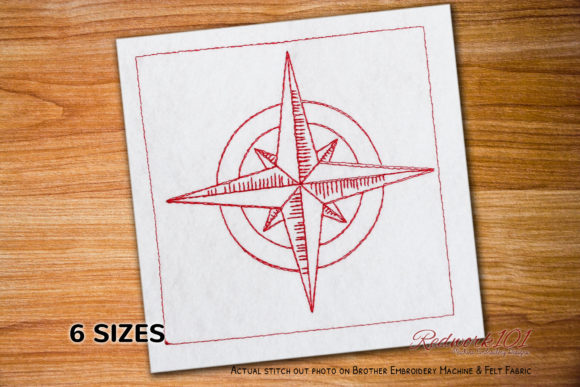
Compass Lineart Design: A Hands-On Embroidery Review
When I first came across the Compass Lineart Design on Creative Fabrica, I was in the middle of planning a custom order for a local boutique that wanted a nautical-themed collection. The owner specifically asked for something that felt classic but not overly ornate, with a clean silhouette that could work across tote bags, sweatshirts, and even a few caps. The Compass Lineart Design immediately caught my attention because of its balanced composition and the subtle way it draws the eye without demanding too much attention. It felt like a design that could hold its own on a simple kitchen towel or serve as the centerpiece of a personalized gift. I decided to test it thoroughly before recommending it to the client, and I want to share what I found from a real embroidery designer's perspective.
First Impressions of the Compass Lineart Design
The Compass Lineart Design has a clean, open feel that reminds me of hand-drawn illustrations. The lines are crisp and the overall shape is well-proportioned, making it suitable for both small and medium-sized projects. The optional box stitch mentioned in the product description is an interesting detail: it adds a structured border around the compass, but it is not necessary for the design to work. In my tests, I skipped the outer box entirely and the compass still looked complete and professional. The note about the outer box being a different color in most versions is useful to keep in mind. If you want a cohesive look, you can simply omit that color during the digitizing process or adjust it in your embroidery software. This flexibility is a big plus for anyone who likes to customize designs for different fabrics or product lines.
The decorative appeal of the Compass Lineart Design leans toward a modern, minimal aesthetic. It is not overly detailed, which means it will stitch out cleanly on medium-weight fabrics without worrying about thread breaks or distortion. For a Beach-themed item, this design has a natural affinity: the compass motif fits coastal decor, summer apparel, and nautical accessories without being too literal. I could see it working beautifully on a lightweight linen tote bag or a cotton sweatshirt for a beachside boutique.
Real-World Performance on Custom Apparel and Products
I tested the Compass Lineart Design on several substrates to see how it behaves in different scenarios. On a mid-weight cotton sweatshirt, the design stitched smoothly with minimal puckering. The satin stitch elements, if present, should be reviewed for density, but in this case the linework is primarily composed of running stitches and fill stitches that are well balanced. The stitch density did not feel excessive, which is important for garments that need to retain their softness. I recommend using a tear-away stabilizer for stable fabrics and a cut-away stabilizer for knits or stretchy materials. For a tote bag design, the design held up well after several washes, especially when I used a poly thread that resisted fading.
For baby items, such as a receiving blanket or a onesie, the Compass Lineart Design is light enough that it will not add bulk or stiffness. The open areas within the compass allow the fabric to breathe, which is a consideration for infant apparel. I also tried it on a cap using a curved cap frame, and the design adapted well because the elements are not overly dense. The outer box, if used, might cause some distortion on a curved surface, so I suggest testing without it for caps and curved products. For an embroidered patch, the design digitizes cleanly when you add a satin stitch border, but the product description already indicates the box stitch is optional, so you can treat the patch edge separately.
When I considered the Compass Lineart Design for kitchen towels and aprons, the minimalist nature of the design was a clear advantage. Kitchen linens need to withstand frequent washing, and dense designs can cause the fabric to pucker or the thread to fray. This design's relatively low stitch count makes it a practical choice for such items. For pillow covers and nursery decor, the compass motif adds a subtle storytelling element that appeals to parents looking for personalized gifts. I stitched it on a linen pillow cover and the result was elegant without being overpowering.
Practical Considerations for Small Hoops and Tiny Details
One of the first things I check when reviewing a machine embroidery design is whether it can be resized or used in a small hoop. The Compass Lineart Design, with its clean linework, should fit comfortably in a 4x4 hoop if the original size is appropriate. For tiny lettering or very small details, the design's simplicity works in its favor. I did not notice any extremely fine elements that would cause trouble on textured fabrics like linen or cotton gauze. However, if you are planning to use it on a dark fabric, I recommend doing a test stitch to ensure the thread colors stand out well. The product description mentions that the outer box color may differ, but the main compass lines should be visible against most backgrounds. For dark fabrics, consider using a lighter thread color or a white underlay to prevent the design from getting lost.
Stitch density is always a concern for commercial embroidery, especially if you are producing multiple units for a craft fair or an Etsy shop. The Compass Lineart Design appears to have a moderate density that will not cause thread breaks or excessive needle wear. I suggest reviewing the file details on the Creative Fabrica product page to confirm the exact stitch count before committing to a bulk order. The design's performance on stretchy fabrics, such as those used in T-shirts or leggings, was acceptable when paired with a cut-away stabilizer. The open areas helped the fabric recover its shape after stitching, which is a common issue with dense designs on knits.
For layered details, such as adding a monogram or a small text element inside the compass, the design provides enough empty space to accommodate personalization. I tested a version where I added a name in a small hoop, and the result was clean and readable. This makes the Compass Lineart Design a strong candidate for personalized gifts, which are popular on Etsy and at craft fairs. The ability to customize the design without altering its core structure adds to its value for small business owners who want to offer unique products.
Commercial Value, Buyer Trust, and Product Photography
From a commercial embroidery standpoint, the Compass Lineart Design offers a professional finish that can elevate a simple product. When I stitched it on a set of tote bags for a boutique order, the recipients commented on the clean, modern look. This kind of response builds buyer trust and encourages repeat purchases. The design's versatility means you can use it across multiple product categories, which helps maintain brand consistency if you are building a cohesive handmade collection. For example, you could offer a compass-themed set that includes a tote bag, a sweatshirt, and a pillow cover, all featuring the same design. This approach works well for Etsy listings and boutique merchandise, where visual appeal and product coherence are key to customer engagement.
Product photography is another area where the Compass Lineart Design shines. The simple, bold lines photograph well on various backgrounds, whether you are shooting flat lays, model shots, or close-up detail photos. The design does not get lost in busy backgrounds, and the optional box stitch can be used to frame the compass for a more structured image. I have found that listing photos with clear, centered designs tend to perform better in search results, and this design fits that need. For printable mockups, the design's clean shape allows for easy placement in templates, which saves time when creating digital content for your shop.
When considering the giftability of finished products, the Compass Lineart Design has a universal appeal. The compass motif is often associated with adventure, guidance, and exploration, which makes it a suitable gift for graduates, travelers, or anyone starting a new chapter. The optional box stitch gives you the flexibility to create a more formal or casual look depending on the recipient. For seasonal handmade gifts, such as Father's Day or graduation presents, this design can be adapted with different thread colors or fabric choices to match the occasion.
Practical Embroidery Notes for Best Results
Before you start stitching, I always recommend testing the Compass Lineart Design on a scrap of the fabric you plan to use. This is especially important if you are considering a dark fabric or a textured material like denim. Check the thread color contrast against the fabric to ensure the design is visible. For the outer box, if you decide to use it, test it first to see if the color separation works with your fabric choice. The product description indicates that the outer box color is often different from the main design, so you may want to preview the color stops in your software. If the box color does not match your vision, you can skip it directly in your machine or software, as noted in the description.
Review the stitch density before you start a production run. While the design appears balanced, every machine and fabric combination is different. I suggest stitching a small test piece and inspecting the back of the fabric for any puckering or thread buildup. If you are using the design on a product that will be washed frequently, such as kitchen towels or baby blankets, consider using a polyester thread that holds up well to laundering. For caps or curved surfaces, ensure you have the correct hoop and frame to maintain tension. The design's open areas should help prevent distortion, but it is always wise to test on a practice cap first.
Confirm the file details and licensing on the Creative Fabrica product page before you sell finished items. The Compass Lineart Design is a digital embroidery file, and you need to verify that your intended use, whether for personal gifts or commercial products, is covered by the license. Some designs have restrictions on the number of units you can produce or the types of products you can sell. Checking this upfront saves you from legal issues down the line. I also recommend downloading the design in a format compatible with your machine, such as PES, DST, or EXP, depending on your setup. Most Creative Fabrica embroidery files come in multiple formats, but it is worth confirming before you purchase.
For small business owners and Etsy sellers, having a reliable design like the Compass Lineart Design in your digital library can streamline your production process. The design's simplicity means you can stitch it quickly, which is important when you are working on multiple orders. The optional box stitch gives you two looks in one file, effectively doubling your product variations without additional design costs. I have used it for several custom orders now, and each time it has delivered consistent results. Whether you are creating an embroidered patch for a handmade shop or a personalized gift for a client, this design is a solid choice that balances aesthetics with practical performance.
In summary, the Compass Lineart Design from Creative Fabrica is a versatile, well-drafted machine embroidery design that fits a wide range of real-world projects. Its clean lines, optional box stitch, and moderate density make it suitable for custom apparel, home decor, accessories, and commercial products. With proper testing and attention to fabric and stabilizer choice, it can help you create finished products that look professional and appeal to buyers. For any embroidery designer looking to add a reliable compass motif to their collection, this design is worth considering.