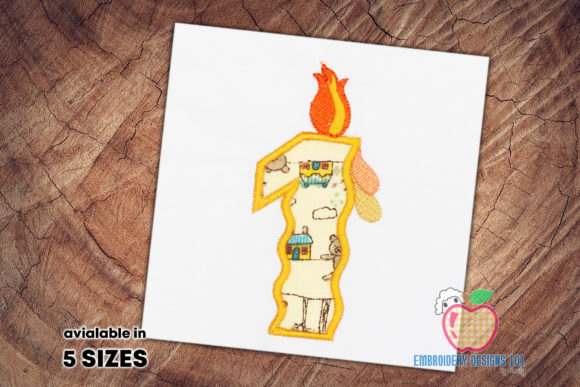
A Cake for First Birthday Applique
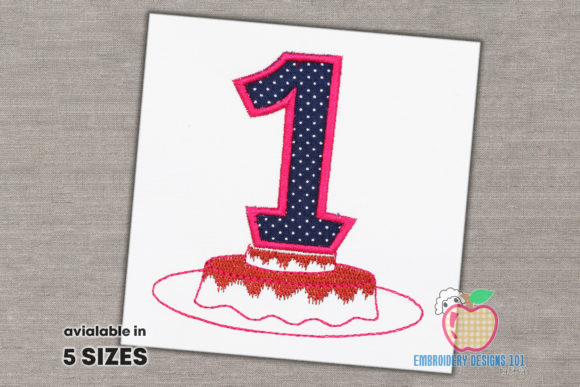
When I first opened the embroidery file for A Cake for First Birthday Applique, I was genuinely curious about how it would translate from a digital preview to a finished product on a real sweatshirt. As someone who has spent years evaluating machine embroidery designs for boutique apparel lines, I have learned to look beyond the mockup. I want to know how a design will feel under my fingers, how it will move with the fabric, and whether it will hold up after a season of wear. This applique design for a first birthday cake immediately struck me as a solid candidate for a limited-edition sweatshirt drop. The concept is simple, celebratory, and deeply personal for parents, which makes it a strong addition to any custom apparel collection focused on milestone moments. The design itself centers on a cake motif, which is a classic symbol for a first birthday, and the applique technique adds a tactile, dimensional quality that standard embroidery alone cannot replicate. For a small boutique brand looking to create something that feels handmade and intentional, this design offers a clear path to that aesthetic.
First Impressions of a Boutique-Ready Design
My first impression of A Cake for First Birthday Applique was that it walks a careful line between cute and premium. The cake shape is recognizable without being overly cartoonish, which is a relief for anyone who has seen too many cluttered birthday designs. The applique approach means the main body of the cake will be cut from fabric, with the embroidery providing the details, frosting, candles, and perhaps a small flame. This combination of fabric and thread creates a layered look that feels more substantial than a standard embroidery patch. The mood of the design is playful but not chaotic, and it has a gentle, celebratory energy that works well for a first birthday theme. From a stitching personality perspective, I would describe this design as warm and inviting. It does not scream for attention but rather invites the viewer to look closer and appreciate the craftsmanship. For a hoodie design or a sweatshirt embroidery project, this is exactly the kind of presence you want: visible enough to be a conversation starter, subtle enough to feel like a keepsake rather than a mass-produced graphic. The layout is compact, which is important for chest placement on a toddler-sized sweatshirt, but it also has enough visual weight to stand alone on an adult-sized garment for a parent who wants to coordinate with their child. The detail level is moderate, which means it will stitch out cleanly without excessive thread changes or complicated underlay that could distort the fabric.
Sweatshirt Embroidery Placement and Layout Possibilities
When I consider A Cake for First Birthday Applique for a real sweatshirt project, I immediately think about placement options that maximize the design's impact. For a classic hoodie design, the chest area is the most natural home for this applique. Centered just below the collarbone, the cake will sit prominently without competing with the hood or zipper. On a neutral sweatshirt in cream, heather gray, or soft blush, the applique fabric can be chosen to contrast beautifully, perhaps a warm pastel pink or a soft mint green for the cake body, with the embroidery thread picking up a deeper shade for the frosting details. The design also works well as a sleeve accent. Placing it on the upper sleeve near the shoulder gives a nod to the birthday theme without overwhelming the garment. This is a popular choice for boutique brands that want to offer a more subtle option for parents who prefer minimal branding. For back designs, the cake could be scaled up slightly and placed between the shoulder blades, though I would advise checking the hoop size limitations of your machine before committing to a larger layout. The design's simplicity makes it highly adaptable to different garment styles. On an oversized hoodie, the cake can feel like a sweet focal point. On a cozy seasonal apparel piece like a thick crewneck sweatshirt, the applique adds a layer of texture that complements the fabric's heft. For lifestyle product photography, this design photographs beautifully because the applique creates shadows and depth that flat embroidery lacks. The finished product will look dimensional and rich in images, which is a huge advantage for Etsy listings and social media marketing. When you are a small shop product creator, every detail counts in the thumbnail, and this design has strong visual recognition.
Thread Color Contrast and Fabric Texture Considerations
One of the first things I evaluate as a commercial embroidery designer is how a machine embroidery design will perform on different fabric textures. A Cake for First Birthday Applique uses an applique technique, which means the base fabric of the design is cut from a separate material and stitched onto the garment. This gives you a great deal of control over thread color contrast. The applique fabric itself can be selected to match or contrast with the sweatshirt. For dark fabric like navy or charcoal, a light-colored cake fabric with bright thread details will pop immediately. For pastel colors, a slightly darker applique fabric with a tonal thread palette can create a soft, cohesive look that feels more boutique and less commercial. The thread colors used for the frosting, candles, and any decorative elements should be chosen carefully. I recommend using no more than three to four thread colors for this design to keep the stitch density manageable and the stitching time reasonable. The applique process itself reduces the need for dense fill stitches, which is a major advantage for sweatshirt embroidery. Thick fabrics like fleece or French terry can be challenging for dense embroidery because the stitches can sink into the fabric and lose definition. With applique, the main shape is already defined by the fabric layer, so the embroidery only needs to provide the details, reducing the risk of distortion. When it comes to stabilizer choice, I always recommend a tear-away stabilizer for stable fabrics and a cut-away stabilizer for stretchy knits. The hoop size will depend on the final dimensions of the cake design, but a standard 4x4 or 5x7 hoop should accommodate most layouts. For small-size readability, the design holds up well because the applique keeps the main shape large and clear. The embroidery details like the frosting swirls or candle flames will be visible even on a smaller scale, as long as the thread contrast is maintained. This is a critical factor for a first birthday project where the garment might be sized for a one-year-old.
Stitch Density, Stabilizer Choices, and Washing Durability
Every experienced embroidery designer knows that a design's real test comes after the first wash. A Cake for First Birthday Applique has several structural features that contribute to its washing durability. The applique technique inherently provides a strong foundation because the fabric layer is anchored by a tack-down stitch and then covered by a satin stitch border. This border is the most vulnerable point in any applique design, as it can fray or pull away over time if the stitch density is too low. I recommend using a satin stitch with a density of at least 4 to 5 stitches per millimeter for the border, and ensuring that the underlay is secure. The design's moderate stitch density overall means it will not add excessive weight to the garment, which is important for a sweatshirt that will be worn and washed frequently. For a commercial embroidery project, you want the design to feel like part of the garment, not a stiff patch that will crack or peel. The applique fabric itself should be pre-washed to prevent shrinkage, and I suggest using a high-quality cotton or cotton-blend fabric that can withstand repeated laundering. The embroidery thread should be a polyester or rayon that is colorfast and resistant to fading. From a hoop placement perspective, the design's compact shape makes it easy to center and stabilize. I always recommend using a medium-weight cut-away stabilizer for stretchy sweatshirt fabrics, as it provides the most reliable support during stitching and holds up well through washing. For fleece fabrics, a floating method with a water-soluble topping can help prevent the stitches from sinking into the nap. The design's small size also means it can be hooped easily without distorting the garment, which is a practical concern for small shops producing multiple units. When you are working with a digital embroidery file, always test the design on a scrap of your actual fabric before running a full batch. This is especially important for applique because the fabric texture and color can affect how the design reads. A Cake for First Birthday Applique is robust enough for commercial use, but only if you take the time to dial in your stabilizer and tension settings. The design assets themselves are clean and well-structured, which indicates that the original digitizer understood the mechanics of applique production.
How This Design Elevates Brand Identity for Small Shops
For an Etsy seller or a small clothing brand, the choice of machine embroidery design can make or break a collection. A Cake for First Birthday Applique has the potential to become a signature piece for a boutique brand focused on baby and toddler milestones. The design's aesthetic is simultaneously cute and refined, which appeals to modern parents who want their children's clothing to feel curated rather than kitschy. When you produce a finished product with this applique, you are not just selling a sweatshirt; you are selling a memory piece. Parents buy first birthday outfits with the intention of photographing them, sharing them on social media, and keeping them as keepsakes. This design, with its applique texture and neat stitching, photographs well and feels special in hand. From a brand identity perspective, using applique signals a commitment to quality and craftsmanship. It tells customers that you are not just printing a graphic; you are constructing a design with fabric and thread. This perception of value allows you to price your products higher and build buyer trust. The design also works well for custom apparel branding because it is versatile enough to pair with other elements, such as a name or a date, if you choose to add a small text sub-design. For a limited sweatshirt drop, this design can be the hero piece that drives customer engagement. I have seen similar designs perform exceptionally well in Etsy listings because they are instantly recognizable as handmade products. The digital embroidery file itself is a clean asset that can be used across multiple product types, from t-shirts to rompers to bibs, as the product description suggests. This versatility is a huge advantage for a small shop product that needs to maximize its return on investment. When you are a creative entrepreneur, every design asset you acquire should be able to pull double duty, and this one certainly can. The printable mockup potential is also strong, as the design's clean lines and simple shapes are easy to render in a digital preview. Customers will be able to visualize the finished product clearly, which reduces hesitation and increases conversion rates.
Practical Production Tips for Commercial Embroidery
If you are planning to use A Cake for First Birthday Applique for a commercial embroidery run, there are a few practical considerations that will save you time and frustration. First, always check the embroidery file format against your machine's compatibility. The design likely comes in multiple formats, but confirm this before purchase. The product description does not specify exact file formats, so I recommend reaching out to the seller if you need a specific extension. Second, consider your thread colors carefully. The applique fabric will be the strongest visual element, so choose a color that complements the garment without clashing. For a neutral sweatshirt, a pastel pink or mint green cake body with a white or cream frosting detail creates a soft, Instagram-worthy look. For a bolder statement, a bright yellow cake with a contrasting frosting color can be very playful. The thread colors for the details, such as the candle flames or any decorative elements, should be selected to provide clear contrast without being jarring. I recommend using a thread color that is one to two shades darker than the applique fabric for the details, as this creates depth without requiring excessive stitch density. Third, pay attention to the order of operations in the digitized file. Applique designs typically have a sequence that includes a placement stitch, a tack-down stitch, and a trim stop, followed by the satin border. Make sure your machine is set up to handle the trim stops properly, and that you have the applique fabric cut slightly larger than the design to allow for adjustment. The stitch density for the border should be tight enough to prevent fraying but not so dense that it distorts the fabric. I always run a test stitch on a scrap of the actual garment fabric before starting a production run. This is especially important for sweatshirt embroidery because the fabric thickness can affect the tension and stitch quality. The design's moderate size means it should hoop easily, but if you are working with a thick fleece, consider using a 5x7 hoop to give yourself more room to stabilize the fabric. For washing durability, I recommend instructing customers to turn the garment inside out and wash in cold water, then tumble dry on low. The applique should hold up well under these conditions, but always test your own production to be sure. The design's simplicity is its strength here, as fewer stitches mean fewer potential failure points. As a commercial embroidery designer, I appreciate a design that is both beautiful and practical, and A Cake for First Birthday Applique delivers on both fronts. It is a design that will serve a small shop well, whether it is used for a custom order, a limited collection, or a staple product in a boutique lineup. The applique technique adds a layer of perceived value that customers recognize, and the birthday theme ensures it will be a popular choice for years to come. Before you finalize your production, take the time to verify the hoop size recommendations and any specific stabilizer requirements from the design file. These details, though small, make the difference between a frustrating stitch-out and a beautiful finished product that you can be proud to sell.